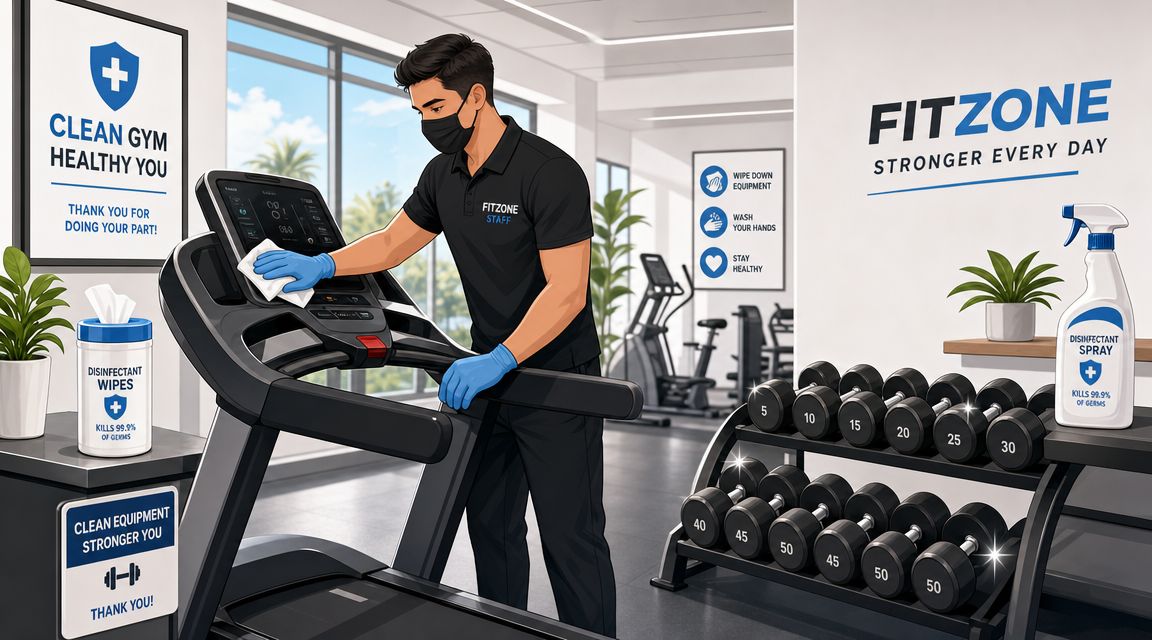
A prospect walks into your gym for a tour and starts judging the business before they touch a single piece of equipment. They notice the fingerprints on a treadmill screen, the chalk dust on a bench frame, the smell near the locker room, and whether there's a wipe station where they expect one. By the time your sales team starts talking pricing, that visitor has already formed an opinion about safety, professionalism, and how well you run the operation.
That's why cleaning fitness equipment isn't just a maintenance task. It's part of the product. In a commercial gym, visible hygiene shapes member trust, staff discipline, online reviews, and how confidently people recommend your facility to others.
Owners who treat sanitation like a back-room function usually miss the business upside. The facilities that stand out make cleanliness easy to see, easy to follow, and hard to question. They train staff around it, design traffic flow around it, and use the right disinfectant wipes so members can participate without damaging expensive equipment.
Why a Clean Gym Is Your Strongest Marketing Tool
A clean gym sells before your sales staff does.
Most owners think of marketing as ad spend, social content, promotions, and referral programs. Those matter. But if a prospect sees smudged consoles, sticky dumbbell handles, or empty wipe dispensers, your brand promise collapses on the floor in real time. Cleanliness is one of the few marketing signals that every member experiences firsthand.
There's another reason this matters. At home, cleaning habits are inconsistent. In a survey of 13,000 people, 64% said they “barely ever” clean their gym equipment, 8% cleaned it once a week, 7% cleaned it every time they finished working out, and 85% of home gym owners did not meet medically recommended weekly cleaning requirements, according to Garage Gym Reviews' report on home gym germs. In plain terms, people often don't maintain their own equipment well, so they expect your commercial facility to do better.
Cleanliness changes the buying psychology
A visibly clean facility tells a prospect three things right away:
- You pay attention: If your team keeps benches, grips, and locker areas clean, members assume you also stay on top of repairs, scheduling, and service.
- You respect members: A stocked wipe station and fresh-smelling training floor show that you value the experience after the membership agreement is signed.
- You reduce uncertainty: People may not inspect your HVAC system or maintenance logs, but they can see whether your facility feels controlled or neglected.
That's why hygiene belongs in the same conversation as signage, lighting, and front-desk service. If you're reviewing broader gym advertising strategies, remember that the ad gets the visit, but the facility condition closes the sale.
A clean gym doesn't just look safer. It feels better managed.
Visible hygiene beats invisible policy
Many gyms have cleaning rules. Fewer have cleaning systems members can immediately recognize. That distinction matters.
Posting a policy behind the front desk won't create confidence. Members respond to visible proof: staff wiping down touchpoints, full dispensers, clear instructions, dry floors, and equipment that looks cared for. When members see those cues consistently, they're more likely to trust your operation and less likely to hesitate over renewal.
From a business standpoint, that affects:
- Member retention: People stay where they feel comfortable training.
- Brand reputation: Clean spaces generate fewer complaints and stronger first impressions.
- Liability reduction: Consistent sanitation practices support safer operations.
- Secondary spend: Members who feel good in the space are more likely to buy training, drinks, retail, or added services.
If you want one principle to guide your cleaning program, use this: sanitation should be visible enough that members notice it without feeling interrupted by it.
Mapping Your Facility's Hygiene Hotspots
A good cleaning program starts with a map, not a mop.
Most gyms over-clean low-risk surfaces and under-clean the places members touch most often. The fix is straightforward. Walk the facility by zone and identify the surfaces that create both transfer risk and perception risk. In other words, what gets touched constantly, and what will members notice instantly if it looks dirty?

Cardio zone
Cardio equipment creates a cleaning challenge because members touch the same machine for longer stretches. Sweat accumulates, hands return to the same contact points repeatedly, and screens collect smears fast.
Focus on these points first:
- Touchscreens and control buttons: These are highly visible. If they're streaked, people assume the rest of the machine is dirty too.
- Side rails and heart-rate grips: Members grab these without thinking, especially during fatigue.
- Seat and adjustment levers on bikes: Small parts get missed during rushed wipe-downs.
- Cup holders and ledges: Dust, residue, and forgotten debris make equipment feel neglected.
A cardio deck can look fine from ten feet away and still fail the close-up test. Prospects notice that on tours.
Weight floor
The weight area is where many gyms lose control of consistency. Free weights move everywhere, benches rotate through heavy use, and members often assume “someone else” will wipe things down.
Watch these surfaces closely:
- Dumbbell and kettlebell handles: Frequent hand contact, often with sweat or chalk.
- Barbell knurling and plate grips: Tougher textures trap residue.
- Bench pads and adjustment handles: One part looks clean, the other gets skipped.
- Machine pins, handles, and seat controls: These are touched all day but rarely top of mind for casual staff rounds.
Practical rule: If a member grips it, leans on it, or adjusts it, it belongs on your hotspot list.
Studios and functional training spaces
Studios create a different issue. Shared accessories cycle quickly between users, and the room may reset between classes with very little downtime.
The usual misses include:
- Yoga and exercise mats
- Resistance bands and loop bands
- Medicine balls and slam balls
- Light dumbbells and step platforms
- Floor areas where hands and forearms make contact
Perception matters here more than many owners realize. Group training members look around while they wait for class to start. If mats are stacked carelessly or still damp, it affects confidence before instruction begins.
Locker rooms and front-of-house areas
Some of the most important cleaning fitness equipment decisions sit outside the workout floor. The member judges the whole operation, not just the machines.
Prioritize:
- Locker handles and bench surfaces
- Faucet handles and restroom touchpoints
- Entry door handles
- Check-in counters and tablet screens
- Water fountain buttons and bottle-fill stations
These areas shape the “overall cleanliness” score in a member's mind. They don't care which department owns the task. They only know whether the place feels clean.
A simple walkthrough helps. Stand where a new member stands, move where busy traffic moves, and ask one question at each stop: if this surface were dirty, would someone notice immediately? If the answer is yes, it belongs near the top of the schedule.
The Right Cleaning Methods for Modern Equipment
The biggest mistake I see in gyms is using one cleaning method for every surface. That's how you end up with damaged consoles, dull plastics, cracked finishes, and staff who think they're disinfecting when they're really just spreading sweat around.
Good cleaning fitness equipment protocol follows a sequence. First remove visible soil with a microfiber or soft cloth. Then apply an EPA-registered disinfectant and keep the surface visibly wet for the required dwell time, which is often 2 to 4 minutes, as outlined in Zogics' gym equipment cleaning best practices. If the label requires contact time and the surface dries too quickly, you didn't complete the disinfecting step.

Start with soil removal, not chemical saturation
Sweat, skin oils, dust, and chalk interfere with disinfection. Staff often spray first because it feels faster. It isn't. The chemical has to reach the surface, and grime gets in the way.
Use this order:
- Remove debris first: Use a microfiber cloth or soft towel to clear visible residue.
- Apply disinfectant correctly: Follow the product label and keep the surface wet for the required contact time.
- Allow full air drying: Don't rush equipment back into use before the process is complete.
For facilities that want a simple, ready-to-use option for staff stations and member wipe-down points, we recommend Wipes.com Disinfectant Wipes as a practical tool in a broader sanitation program.
Protect electronics and sensitive finishes
Modern fitness equipment is full of touchscreens, sensors, ports, and control panels. That changes the cleaning method.
Manufacturer guidance warns against ammonia- or alcohol-based cleaners on aluminum and plastics because they can discolor or degrade finishes, and bleach-based products can corrode surfaces and damage electronics, according to Johnson Fitness equipment cleaning guidance. The safer method is to spray the cloth, not the machine, use mild soap or an approved disinfectant wipe where appropriate, and avoid abrasive towels that scratch touchscreens and upholstery.
That's especially important if your floor includes connected cardio, smart mirrors, or interactive consoles. Owners comparing layouts and technology packages often focus on performance specs, but the maintenance burden matters too. If you're evaluating newer setups, this overview of science-backed home gym equipment is useful because it shows how equipment design increasingly blends training value with built-in tech. Once screens and sensors enter the room, your cleaning SOP has to evolve.
Don't spray liquid directly onto consoles, screens, or control panels. Apply it to the cloth first.
Match the method to the material
Different surfaces need different handling. A wipe that works on a powder-coated frame may be the wrong choice for a display panel.
Here's the practical breakdown:
| Surface | Best approach | Common mistake |
|---|---|---|
| Touchscreens and consoles | Lightly dampen a cloth, then wipe gently | Spraying cleaner directly on the screen |
| Upholstered benches and pads | Remove residue first, then use a compatible wipe or approved cloth method | Over-wetting seams and edges |
| Powder-coated steel frames | Wipe high-touch points thoroughly and dry if needed | Ignoring sweat buildup near adjustment points |
| Rubberized grips and handles | Clean regularly with non-abrasive materials | Using harsh chemicals that degrade texture |
| Treadmill surrounds | Clean rails, buttons, and exterior carefully without oversaturating | Spraying the walking belt and creating slip hazards |
If you want a more focused guide on product selection and practical wipe-down routines, this article on disinfectant wipes for gym equipment is a strong companion resource.
What works and what doesn't
What works in real facilities is boring on purpose. Standardized cloths. Clear product rules. Staff trained not to improvise. Member stations stocked consistently.
What doesn't work is equally predictable:
- Using one spray bottle for every surface
- Letting staff guess dwell times
- Treating consoles like steel frames
- Buying aggressive chemicals because they “smell stronger”
- Skipping compatibility checks on expensive equipment
The right cleaning method protects more than hygiene. It protects warranty claims, machine uptime, and the finish quality members associate with a premium club.
Developing a Bulletproof Cleaning Schedule
A gym doesn't stay clean because people mean well. It stays clean because the schedule is clear, visible, and easy to execute during a busy shift.
That's where many operators struggle. They rely on “wipe equipment often” as the plan. Staff interpret it differently, members don't know what's expected, and managers discover gaps only after complaints show up.
Research on gym hygiene behavior shows why that happens. In observations reported in Increasing the Post-Use Cleaning of Gym Equipment Using Prompts, very few users cleaned equipment during normal operation, but the highest level of post-use cleaning occurred when signs and accessibility cues were added together, according to the peer-reviewed study on gym cleaning prompts. In practice, compliance improves when you design for it.
Build the schedule in three layers
A strong schedule uses tiers, not one generic checklist.
Per-use cleaning
This is member-facing and should be almost frictionless.
- Place wipe stations where the decision happens: Near cardio clusters, free weight transitions, and studio exits.
- Keep instructions short: Members respond better to simple prompts than long policy language.
- Refill before empty: An empty dispenser trains members to stop participating.
Daily staff cleaning
Consistency gets protected.
- Assign by shift, not by hope: Specific roles should own specific zones.
- Cover all high-touch surfaces: Don't leave pins, handles, check-in tablets, and fountains to chance.
- Close the loop: Supervisors should verify completion during rounds.
Weekly deep cleaning
This prevents buildup and catches areas members don't see until they're bad.
- Detail machine edges and seams
- Address studio accessories thoroughly
- Clean around, under, and behind equipment
- Check for residue accumulation on less obvious touchpoints
If you're refining the broader operating system, these facility management best practices are useful because they reinforce the same principle: repeatable standards beat heroic effort.
Sample Fitness Facility Cleaning Schedule
| Frequency | Area/Equipment | Task | Responsibility |
|---|---|---|---|
| After each use | Cardio machines, benches, handles | Wipe high-touch surfaces with provided disinfectant wipes | Members, supported by floor staff |
| Throughout each shift | Check-in counter, door handles, fountains, locker touchpoints | Disinfect visible high-touch surfaces and refill stations | Front desk and custodial staff |
| Daily | Cardio deck and strength floor | Full wipe-down of touchpoints and visible residue removal | Assigned closing or mid-shift team |
| Daily | Studios and shared accessories | Clean mats, bands, balls, and storage surfaces | Studio staff or custodial team |
| Weekly | Whole facility | Deep cleaning of equipment details, less-visible surfaces, and surrounding areas | Management-led maintenance team |
Design for participation
The fastest way to improve member compliance is to make the clean choice the easy choice.
That means:
- Put wipes in the line of sight
- Use signs that tell members exactly what to do
- Train staff to model the behavior
- Audit dispenser placement during busy hours
For a practical reference point, a detailed gym cleaning checklist can help managers turn broad expectations into shift-ready tasks.
A schedule becomes bulletproof when no one has to wonder what needs cleaning, when it needs cleaning, or who owns it.
Selling Sanitation The Business Case for Cleanliness
Gym owners sometimes make the same mistake buyers in other industries make. They compare wipe cost, not business value.
That leads to bad decisions. Cheap products that dry out, inconsistent dispenser programs, and poorly trained staff all create a higher operating cost later. Not always on the supply invoice, but in member dissatisfaction, equipment wear, and brand erosion.

Shift the conversation from cost to confidence
If you sell cleaning supplies to gyms, or if you manage the budget internally, don't frame the conversation around “wipes versus no wipes.” Frame it around what visible sanitation supports.
It supports:
- Member confidence: People train longer and more comfortably in spaces that feel controlled.
- Operational discipline: Staff work better when expectations are clear and tools are available.
- Equipment appearance: The right routine helps expensive assets keep a professional finish.
- Review quality: Cleanliness shows up in word-of-mouth even when members don't mention chemistry, protocols, or dwell time.
You're not selling cleaning supplies. You're selling customer confidence.
Better talking points for owners and sales reps
Weak sales language sounds like this: “These wipes are affordable and convenient.”
Stronger language sounds like this:
- Visible hygiene protects the brand: Members see wipe stations and active cleaning. They don't see your budget spreadsheet.
- Standardization reduces inconsistency: One approved process is easier to train, monitor, and defend.
- Member participation lowers pressure on staff: When members wipe equipment after use, your team can focus on broader coverage and quality control.
- Clean facilities feel premium: Cleanliness supports pricing power better than many owners realize.
If you're presenting sanitation as part of a package, bundle it with training, dispenser placement, signage, and restocking discipline. The wipe itself matters. The program matters more.
What buyers should ask before they approve a product
A serious operator should ask practical questions:
| Question | Why it matters |
|---|---|
| Is it appropriate for the surfaces in this facility? | Equipment damage costs more than supply savings |
| Can staff and members use it correctly without extra friction? | Adoption drops when the process feels awkward |
| Does it support visible hygiene across the floor? | Members judge what they can see |
| Can we keep it stocked consistently? | Empty stations weaken the whole program |
Cleanliness is one of the rare operational investments that helps sales, service, and risk management at the same time. That makes it much easier to justify than most line items on a gym P&L.
Conclusion Making Cleanliness Your Competitive Edge
A gym owner can no longer treat sanitation as a back-of-house chore. Members experience it as part of the brand. Prospects use it to judge professionalism. Staff rely on it to keep the floor under control. That's why cleaning fitness equipment belongs in your growth strategy, not just your janitorial checklist.
The practical path is straightforward. Identify the highest-risk and highest-visibility touchpoints. Use methods that match the surface instead of blasting every machine with the same chemical. Protect consoles and electronics by applying product to the cloth, not the screen. Build a schedule that separates per-use wipe-downs, daily staff cleaning, and weekly deep cleaning. Then make the whole system visible enough that members trust it and easy enough that staff can execute it consistently.
The gyms that do this well don't just look better. They operate with fewer avoidable problems. They create a member experience that feels orderly, professional, and worth coming back to. In a crowded market, that matters.
Cleanliness is one of the few promises a member can verify in seconds.
If you run a fitness facility, walk your floor today like a first-time visitor. Check the wipe stations. Inspect the consoles. Look at the grips, benches, fountains, and front desk. Then ask whether your current setup makes sanitation obvious, convenient, and repeatable. If it doesn't, that's the opportunity.
Prioritize cleanliness, build it into daily operations, and use disinfectant wipes as a visible part of the member experience. For more practical sanitation guidance across commercial facilities, explore the latest resources on WipesBlog.com.
Leave a Reply