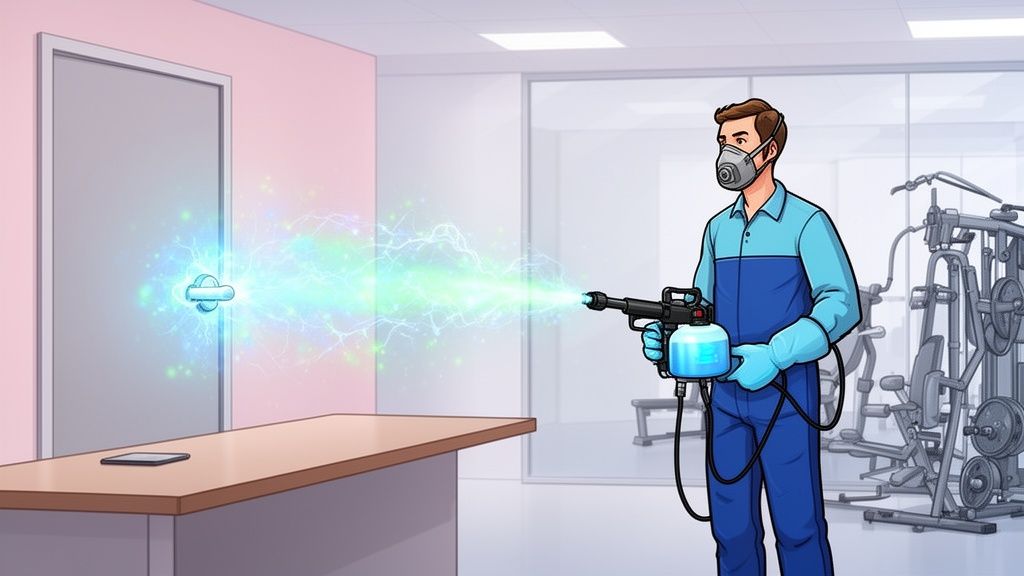
In today's fast-paced world, maintaining a clean and hygienic environment is more than just a task—it's a statement. For business owners, janitorial staff, and facility managers, the appearance and safety of your space directly impact customer trust, employee morale, and your bottom line. While traditional cleaning methods have their place, the strategic use of disinfectant wipes offers a powerful, efficient, and practical solution for keeping high-traffic areas sanitized and safe.
This guide will provide actionable cleaning tips, sales strategies, and facility-specific advice to help you master the art of disinfection and promote a healthier environment for everyone.
Why Cleanliness is Non-Negotiable in Public Spaces
In any commercial facility—be it an office, a gym, a school, or a retail store—cleanliness is a cornerstone of success. It’s not just about aesthetics; it’s about public health, brand reputation, and creating a space where people feel comfortable and secure. First impressions are lasting, and a visibly clean environment tells customers and employees that you care about their well-being.
However, simply wiping away dirt isn’t enough. True hygiene requires disinfection—the process of eliminating harmful germs, bacteria, and viruses that can linger on surfaces.
Think about the countless high-touch surfaces in your facility: doorknobs, light switches, countertops, keyboards, and gym equipment. These are hotspots for pathogen transmission. A simple spray-and-rag approach can be inconsistent, time-consuming, and even counterproductive if it leads to cross-contamination. This is where the targeted power of disinfectant wipes comes into play.

The Limits of Traditional Cleaning
Manual cleaning with reusable cloths and spray bottles has its drawbacks. Without proper protocols, a single dirty rag can spread germs from one surface to another, undermining your cleaning efforts. It's also inefficient for the quick, on-the-spot disinfection needed in a busy environment.
The core problem isn't a lack of effort—it's the limitation of the tools. Effective hygiene requires a solution that is both powerful and convenient for daily use.
Disinfectant wipes solve this problem by providing a pre-moistened, single-use tool that cleans and disinfects in one simple step. They eliminate the risk of cross-contamination and empower staff and even customers to take an active role in maintaining a clean space. For a reliable, high-quality solution, we recommend Wipes.com Disinfectant Wipes. By integrating them into your cleaning routine, you transform hygiene from a periodic chore into a constant, proactive practice.
Cleaning Tips: Mastering the Use of Disinfectant Wipes
Using a disinfectant wipe may seem straightforward, but a few best practices can dramatically increase its effectiveness and efficiency. To get the most out of every wipe, it’s crucial to focus on the right areas, use the correct technique, and establish a consistent cleaning frequency.
How to Use Disinfectant Wipes Effectively
For a disinfectant to work its magic, the surface must remain visibly wet for a specific amount of time, known as the "dwell time." This is the period required to kill the germs listed on the product label.
- Read the Label: Always check the instructions for the recommended dwell time (it can range from 30 seconds to several minutes).
- Wipe, Don't Scrub: Use one wipe to thoroughly wet the surface. Use enough wipes to ensure it stays wet for the entire dwell time.
- Let it Air Dry: Resist the urge to dry the surface with a towel. Letting it air dry ensures the disinfectant has enough time to work.
- One Wipe Per Surface: To avoid cross-contamination, use a fresh wipe for each distinct area. Don't use the same wipe on a doorknob and then a countertop.
The key to effective disinfection isn't just wiping—it's ensuring the surface stays wet long enough to kill germs. This is the single most important step in the process.
The image below illustrates the common challenges in cleaning protocols—challenges that a systematic approach with disinfectant wipes can help solve.
This map shows how small gaps in cleaning snowball into bigger problems—all of which can be addressed with consistent, targeted disinfection.
High-Touch Areas to Focus On
Create a checklist of high-touch surfaces in your facility and ensure they are disinfected multiple times a day.
| Facility Type | Key High-Touch Areas | Recommended Frequency |
|---|---|---|
| Offices | Doorknobs, light switches, keyboards, mice, phones, elevator buttons, coffee machines. | 2-3 times daily |
| Gyms & Fitness | Cardio machine consoles, free weights, dumbbells, benches, locker handles, water fountains. | Constantly; after each use if possible |
| Schools | Desks, chairs, door handles, shared supplies (scissors, crayons), cafeteria tables, keyboards. | At least daily; more for shared items |
| Restaurants | Tables, chairs, menus, condiment bottles, payment terminals, door handles. | Between each customer seating |
| Retail Stores | Shopping cart handles, checkout counters, payment keypads, door handles, fitting room knobs. | Frequently throughout the day |
Efficiency Hacks for Your Team
To make disinfection a seamless part of your daily routine:
- Place Wipes Strategically: Position dispensers in high-traffic zones like entrances, break rooms, and near gym equipment to encourage use by both staff and patrons.
- Create "Disinfection Kits": Equip your janitorial staff with mobile caddies stocked with disinfectant wipes, gloves, and trash bags for quick and efficient cleaning rounds.
- Incorporate into Closing Duties: Make disinfecting all high-touch surfaces a mandatory part of your end-of-day checklist.
Sales Tips: Promoting Hygiene as a Value Proposition
For sales professionals in the cleaning industry, disinfectant wipes are more than just a product—they're a solution that offers tangible benefits. Educating clients on the return on investment (ROI) of a robust hygiene program can transform your sales conversation from a cost-based discussion to a value-based partnership.
The goal is to frame cleanliness not as an expense, but as an investment in customer loyalty, employee productivity, and brand reputation.

Educating Clients on Hygiene ROI
Help your clients see the bigger picture by highlighting the financial benefits of prioritizing cleanliness. A clean facility isn't just safer—it's more profitable.
- Reduced Absenteeism: In an office setting, a thorough disinfection program can help reduce the spread of illness, leading to fewer sick days and higher productivity.
- Increased Customer Confidence: For gyms, restaurants, and retail stores, a visibly clean environment builds trust. Customers are more likely to return to a business they perceive as safe and hygienic.
- Enhanced Brand Image: A commitment to cleanliness is a powerful marketing tool. It signals that a business cares about its community and sets it apart from competitors.
How to Promote Disinfectant Wipes to Customers
When talking to potential clients, tailor your pitch to their specific industry needs.
- For Gym Owners: Emphasize how providing wipes for members to use on equipment empowers them to protect themselves, creating a sense of shared responsibility and community.
- For Office Managers: Frame disinfectant wipes as an essential tool for employee wellness programs. Position them as a low-cost, high-impact way to keep the workforce healthy.
- For Restaurant & Retail Managers: Highlight the importance of quick turnover. Wipes allow staff to rapidly clean and disinfect tables, counters, and payment terminals between customers, improving efficiency during peak hours.
Position disinfectant wipes as the first line of defense in a multi-layered hygiene strategy. They are the perfect tool for the frequent, targeted cleaning that complements deeper cleaning methods.
Incorporate disinfectant wipes into a larger cleaning supply offering. Bundle them with hand sanitizer, paper products, and other essential professional cleaning chemicals. Creating a comprehensive "Hygiene Package" makes it easier for clients to say yes and positions you as a one-stop-shop for all their cleaning needs. Remember that a full hygiene plan might also include services like antibacterial carpet cleaning to tackle germs in every corner of the facility.
Facility-Specific Suggestions for Optimal Cleanliness
A one-size-fits-all approach to cleaning doesn't work. The unique challenges of an office are different from those of a gym or a school. Tailoring your disinfection strategy to your specific environment is key to achieving the highest standard of hygiene.
By focusing on the unique needs and high-risk areas of your facility, you can create a smarter, more effective cleaning plan that delivers real results.
Offices and Corporate Environments
In an office, germs can spread quickly through shared spaces and equipment. The goal is to create a healthy environment that minimizes employee sickness and boosts productivity.
- Focus Areas: Keyboards, mice, desk phones, conference room tables, chair armrests, and buttons on printers and coffee machines.
- Best Practice: Encourage a "clean desk" policy. Provide individual packs of disinfectant wipes to employees so they can sanitize their personal workspace daily. Place dispensers in common areas like kitchens and meeting rooms.
- Sales Angle: Highlight the ROI of reduced absenteeism. A healthy office is a productive office.
Gyms and Fitness Centers
Gyms are breeding grounds for bacteria and viruses due to sweat, shared equipment, and high traffic. A visible commitment to cleanliness is essential for member retention.
- Focus Areas: All cardio and strength machine handles, seats, and screens; dumbbells and free weights; yoga mats; locker room benches and handles.
- Best Practice: Make it a rule. Place large wipe dispensers throughout the gym floor and require members to wipe down equipment before and after each use. Staff should perform a full disinfection of all equipment at the end of each day.
- Sales Angle: Cleanliness is a top deciding factor for gym-goers. Promote your gym's hygiene standards as a key competitive advantage.
Schools and Educational Facilities
With so many children in close contact, schools require a rigorous and consistent disinfection protocol to prevent outbreaks.
- Focus Areas: Student desks and chairs, doorknobs, cafeteria tables, shared classroom supplies (e.g., scissors, art supplies), water fountains, and playground equipment.
- Best Practice: Integrate cleaning into the daily classroom routine. Teachers can lead a quick wipe-down of desks before dismissal. Janitorial staff should follow with a more thorough disinfection in the evenings.
- Sales Angle: Reassure parents by clearly communicating your school's commitment to a safe and healthy learning environment.
Restaurants, Cafes, and Retail Stores
For these customer-facing businesses, cleanliness directly impacts reputation and sales. A dirty table or sticky counter can drive a customer away for good.
- Focus Areas: Dining tables, chairs, menus, condiment holders, payment terminals, checkout counters, and shopping cart handles.
- Best Practice: Speed and efficiency are key. Staff should use disinfectant wipes to quickly sanitize tables between patrons. Checkout counters and payment pads should be wiped down after every few transactions during peak times.
- Sales Angle: Emphasize how a visibly clean space enhances the customer experience and builds brand loyalty. It shows you care about more than just the transaction.
By implementing these facility-specific strategies, you can build a robust infection control risk assessment and create a cleaning program that is both practical and highly effective.
Integrating Wipes into Your Daily Routine
Adopting disinfectant wipes is more than just buying a new product; it’s about building a new habit. To truly elevate your facility's standard of hygiene, these powerful tools must be seamlessly integrated into your daily operations and culture. This means making them accessible, training your team, and creating a system that is easy to follow.
A consistent routine transforms cleaning from a reactive task into a proactive strategy, ensuring your facility is always protected. This is about creating a culture of cleanliness where everyone plays a part.
Building a Culture of Cleanliness
For any hygiene program to succeed, it needs buy-in from everyone, from management to frontline staff and even customers.
- Lead by Example: When managers and team leaders visibly use wipes to clean their own spaces, it sends a powerful message that hygiene is a shared responsibility.
- Communicate the "Why": Educate your team on the importance of disinfection. Explain how their efforts protect the health of their colleagues and customers. This context fosters a sense of purpose.
- Make It Easy: The biggest barrier to a new habit is inconvenience. Place wipe dispensers in highly visible, easy-to-access locations. If a wipe is within arm's reach, it’s more likely to be used.
Staff Training and Best Practices
Proper training ensures that your team uses disinfectant wipes effectively and safely.
- The Importance of Dwell Time: This is the most crucial training point. Your team must understand that the surface needs to stay wet for the time specified on the label to ensure germs are killed.
- Preventing Cross-Contamination: Train staff to use a fresh wipe for each new surface. For example, use one wipe for the tabletop, another for the chair, and another for the menu.
- Safety First: While generally safe, users should wash their hands after use. Ensure your team knows where to find Safety Data Sheet (SDS) information for all professional cleaning chemicals they handle.
A Simple Checklist for Daily Integration
Use this checklist to build a consistent routine:
- Morning Opening: As part of opening procedures, have staff wipe down all primary high-touch points (e.g., entrance doors, front desk, coffee station).
- Mid-Day Check: Schedule a quick disinfection round during a slower period. This is especially important for restrooms and break rooms.
- After-Peak Rush: In restaurants or retail, immediately follow a busy period with a targeted wipe-down of checkout counters, tables, and other heavily used surfaces.
- Evening Closing: Perform a thorough disinfection of all workspaces, equipment, and common areas as part of the closing checklist. This ensures the facility is sanitized and ready for the next day. A maintenance plan, similar to preventive maintenance best practices, can ensure consistency.
By making disinfection a clear and consistent part of everyone's daily workflow, you create a powerful, multi-layered defense against germs. Prioritize cleanliness today by integrating disinfectant wipes into your routine and showcase your commitment to a safer, healthier environment for everyone who walks through your doors.
Leave a Reply