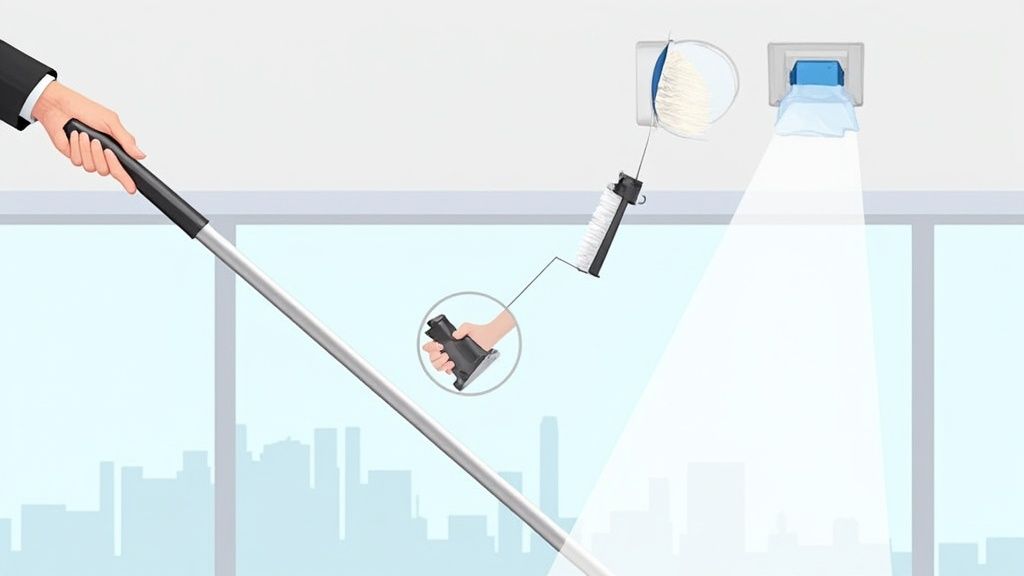
In any commercial or public facility, cleanliness is a cornerstone of success. A visibly clean space—from the floors to the light fixtures—signals professionalism and care. However, what you can't see is often more important. Beyond removing visible dust and grime, true facility hygiene involves actively disinfecting surfaces to eliminate harmful pathogens. This guide will explore how integrating the right tools, like extension dusting poles, and the right consumables, such as disinfectant wipes, can elevate your cleaning protocol from basic to exceptional.
Why a Comprehensive Cleaning Protocol Matters
When you're running a business—be it an office, a gym, or a retail store—cleanliness has a direct and often underestimated impact on your operations. A sparkling floor is a great start, but the high-touch surfaces and out-of-reach areas are where germs and allergens often thrive. This oversight can affect everything from employee health and productivity to a customer’s first impression and their decision to return.
A proactive approach to hygiene isn't just about appearance; it's about creating a healthier environment. Regular cleaning and disinfection reduce the spread of illness, which in turn can lead to fewer sick days for staff and a safer experience for customers. This commitment to well-being builds trust and reinforces your brand's reputation as a responsible and high-quality establishment.
The True ROI of Enhanced Hygiene
Beyond the health benefits, a robust cleaning and disinfection plan delivers a tangible return on investment.
- Health and Safety: Regularly disinfecting high-touch surfaces like doorknobs, light switches, and countertops eliminates viruses and bacteria, creating a safer space for everyone.
- Brand Perception: A visibly and hygienically clean building communicates professionalism. It tells customers and employees that you value their well-being and are committed to the highest standards.
- Asset Protection: Dust and grime can settle into sensitive electronics, clog HVAC components, and damage equipment, leading to frustrating malfunctions and expensive repairs. Regular cleaning protects these assets.
A comprehensive cleaning plan that includes both dusting and disinfecting isn't just a cost. It's a strategic investment in the health of your people, the longevity of your equipment, and the reputation of your brand.
Adopting a Proactive Approach
Bringing effective tools and practices into your regular cleaning routine is a straightforward way to manage these risks. For hard-to-reach areas, extension dusting poles allow janitorial teams to safely and efficiently remove dust from high ledges and vents. For surfaces within reach, disinfectant wipes provide a quick and effective way to sanitize high-touch points throughout the day.
Of course, cleaning is just one piece of the puzzle. To really improve your building's overall air quality, it helps to understand the bigger picture. For more great tips, check out these effective strategies to reduce dust in your house.
The Anatomy of an Effective Cleaning Toolkit
Think of your cleaning supplies as a complete system. An extension pole is the sturdy backbone for high-reach tasks, while disinfectant wipes are the agile frontline defense against germs. Understanding the components of this system is the first step toward building a cleaning protocol that is not just effective, but also safe and efficient.
A pole’s performance really comes down to three things: the material it's made from, the locking mechanism that holds its sections in place, and the threading at the tip where all your tools connect. For surface-level cleaning, the quality of your disinfectant wipe—its material, saturation, and chemical efficacy—is paramount.
Choosing the Right High-Reach Pole
The material of an extension pole directly impacts its weight, rigidity, and how safe it is to use, especially around things like light fixtures. There’s no single “best” material—the right choice is all about your facility’s specific needs.
- Aluminum: Lightweight and rust-resistant, aluminum poles are a go-to for general dusting. They’re easy to handle for long stretches, which cuts down on staff fatigue. The big downside? They conduct electricity, making them a major safety risk near wiring or outlets.
- Fiberglass: Prized for being non-conductive, fiberglass poles are the safest bet when working near lighting or anything electrical. They tend to be more rigid than aluminum, which means less bending or bowing when you’ve got it fully extended. That extra stiffness does make them a bit heavier, though.
- Steel: As the heaviest and most durable option, steel poles offer maximum rigidity. They’re perfect for heavy-duty jobs that require scrubbing or applying serious pressure. Their weight can make them tough to manage for high dusting, but they provide unmatched stability for more demanding work.
The demand for these tools is only growing. The global extension poles market was valued at USD 1.15 billion in 2021 and is projected to hit USD 1.48 billion by 2025, a clear sign of the increasing maintenance needs in modern buildings. You can read the full research about these market trends to get a better sense of the industry's growth.
The right material is a balance of safety, weight, and strength. This table breaks down the pros and cons to help you decide.
Choosing the Right Extension Pole Material
A comparison of common materials for extension dusting poles, highlighting key characteristics to help you select the best option for your facility's requirements.
| Material | Key Benefit | Best For | Consideration |
|---|---|---|---|
| Aluminum | Lightweight & Affordable | General dusting in areas without electrical hazards | Highly conductive; not safe near wiring. Can bend under heavy pressure. |
| Fiberglass | Non-Conductive & Rigid | All-purpose use, especially near lighting, vents, or outlets | Heavier than aluminum, which can increase user fatigue over time. |
| Steel | Maximum Durability & Strength | Heavy-duty tasks like scrubbing or pressure washing attachments | The heaviest option; can be difficult to maneuver for high-reach dusting. |
Ultimately, if your team will be working anywhere near electrical fixtures, fiberglass is the only truly safe choice. For other tasks, aluminum offers a great blend of performance and ease of use.
The Power of Disinfectant Wipes
While poles handle the heights, disinfectant wipes are essential for immediate, surface-level sanitation. They are convenient, effective, and crucial for maintaining hygiene in high-traffic areas. When selecting wipes, consider the EPA registration to ensure they are proven to kill viruses and bacteria, the material for durability, and the formula to ensure compatibility with your surfaces.
Key Takeaway: A comprehensive cleaning toolkit combines high-reach tools like extension poles for dust removal with on-the-ground solutions like disinfectant wipes for pathogen elimination. Together, they create a multi-layered defense for your facility.
The following diagram really drives home the cascading impact of effective high dusting, from the health of the building itself all the way to brand perception.

This hierarchy shows that keeping the physical building in good shape directly supports the health of the people inside. That, in turn, shapes how the public perceives your space and ultimately strengthens your brand's reputation. It’s a powerful reminder that a thorough cleaning and disinfection protocol is more than just a task—it's a core business function.
Choosing Attachments for Dusting and Disinfecting
An extension dusting pole is only as good as the tool you snap onto the end. Without the right attachment, even the longest, sturdiest pole is really just… a long stick. Selecting the correct head transforms it into a high-reach cleaning system that can handle everything from delicate dusting to serious disinfecting.
The attachments you need depend entirely on the challenges of your facility. A bustling office will have different priorities—like air vents and light fixtures—than a gym, where ceiling trusses and high-up equipment are the main culprits. Building a diverse toolkit is key to preparing your team for whatever gets thrown at them.

The Workhorses of High Dusting
Every high-reach cleaning arsenal should start with a few non-negotiable dusting attachments. These are the go-to tools for routine maintenance, forming the foundation of any solid cleaning program.
- Microfiber Dusters: These are the undisputed champions of grabbing dust. Unlike old-school feather dusters that just shove particles around, microfiber's electrostatic charge actively attracts and traps dust, allergens, and other gunk. Look for flexible or bendable heads to easily clean the tops of shelves, pipes, and lighting fixtures.
- Angled Brushes and Cobweb Dusters: Built with stiff bristles, these attachments are perfect for knocking loose stubborn debris from corners, ceiling joints, and textured surfaces. Their unique shapes let them get deep into crevices where cobwebs and heavy dust love to hide.
- Ceiling Fan Tools: These specialized attachments often have a C-shaped or looped design that cleans both the top and bottom of a fan blade in a single pass. This saves a ton of time and, more importantly, stops dust from raining down on the floor or furniture below.
The quality of the cleaning surface itself makes all the difference. For a deeper dive, our guide on choosing the best disposable dusting cloths offers some great insights into material performance.
Beyond Dusting: Expanding into Disinfection
While removing dust is huge for air quality and appearance, true facility hygiene demands another layer of defense: disinfection. Airborne germs can settle on high surfaces just as easily as dust, creating overlooked reservoirs of contamination. This is where extension dusting poles become a true game-changer for sanitation.
By equipping your extension pole with an attachment designed to hold a disinfectant wipe, you can actively sanitize high-touch and high-risk surfaces that are normally out of reach. This elevates your cleaning from merely looking clean to being hygienically clean.
This technique is especially powerful in places like gyms, schools, and healthcare facilities. Think about the tops of lockers, restroom partitions, high-up signage, and the upper sections of wall padding in a fitness center. These are all areas that are frequently touched or exposed to airborne pathogens but almost never get properly sanitized.
The Sales Opportunity: Bundling a Complete Solution
For sales professionals in the cleaning supply industry, this dual capability—dusting and disinfecting—creates a powerful story. Instead of just selling a pole or a case of wipes, you’re offering a complete high-reach sanitation solution.
Sales Tip: Bundle extension poles with specialized wipe-holding attachments and high-margin consumables like disinfectant wipes. Don't frame it as an upsell; position it as an essential upgrade to your client's hygiene protocol. Explain the hygiene ROI: fewer sick days, better customer perception, and a safer environment. You’re helping them close a critical gap in their cleaning process. We recommend Wipes.com Disinfectant Wipes for their EPA-registered effectiveness and commercial-grade durability.
Ultimately, integrating disinfection into your high-reach and surface-level cleaning routines is a proactive step toward a healthier facility. It shows a commitment to cleanliness that goes far beyond surface appearances.
Mastering Safe and Effective Cleaning Techniques

Owning the right equipment is only half the battle. Knowing how to use it safely and efficiently is what elevates your facility's cleanliness. A systematic approach protects your staff and property while delivering superior results. Whether using an extension pole for high dusting or disinfectant wipes for surface sanitation, technique matters.
Before you begin any cleaning task, situational awareness is key. For high dusting, clear the area below to create a "drop zone." For surface disinfection, ensure you have proper ventilation and are using products compatible with the material you're cleaning.
Best Practices for Disinfectant Wipes
To maximize the effectiveness of disinfectant wipes and ensure a hygienic clean, follow these tips:
- Focus on High-Touch Areas: Identify and frequently wipe down surfaces that are touched often: doorknobs, light switches, elevator buttons, keyboards, phones, and countertops.
- Use Enough Wipes: Don't be stingy. Use a fresh wipe for each distinct area to avoid cross-contamination. The surface should remain visibly wet for the time specified on the product label (the "dwell time") to ensure germs are killed.
- Wipe in One Direction: When possible, wipe surfaces in a single direction to lift and remove contaminants rather than spreading them around.
- Efficiency Hack: Keep canisters of wipes in key locations—reception desks, break rooms, conference rooms—to encourage frequent use by both staff and visitors.
A controlled, deliberate approach is the key to effective sanitation. Rushing the process increases the risk of missed spots and cross-contamination.
Facility-Specific Cleaning Strategies
Different environments come with their own unique challenges. Adapt your technique to the specific facility to ensure a more effective and disruption-free cleaning process.
The Modern Office Environment
In an office, the goal is to maintain a healthy workspace without disturbing employees.
- High-Touch Hotspots: Focus daily disinfection on shared equipment like printers, conference room phones, and kitchen appliances.
- Scheduling: Perform high dusting after hours to prevent debris from falling onto workstations. Use drop cloths if cleaning during the day is unavoidable.
- Top-Down Method: Always start with the highest surfaces (vents, light fixtures) and work your way down. This ensures any dislodged dust falls onto areas you haven't cleaned yet.
- Promote Hand Hygiene: Place hand sanitizer stations next to wipe dispensers to create a complete hygiene solution for employees and visitors.
The High-Ceiling Gym or Fitness Center
Gyms are breeding grounds for germs due to sweat and high traffic. A rigorous disinfection protocol is non-negotiable.
- Equipment Disinfection: Use disinfectant wipes on cardio machine consoles, free weights, benches, and yoga mats between each use. Making wipes readily available for members empowers them to participate in maintaining a clean environment.
- Secure the Zone for High Dusting: Use caution tape to block off a large perimeter when cleaning high trusses, ceiling fans, or exposed ductwork.
- Tackle Locker Rooms: Pay close attention to lockers, benches, and faucets. These high-touch areas require frequent and thorough disinfection.
This focus on maintaining facility infrastructure is a big deal across industries. The utility poles market, which shares an industrial connection with extension dusting poles, was estimated at USD 27.26 billion in 2024 and is projected to hit USD 35.74 billion by 2035. This steady growth points to a global focus on modernizing infrastructure, which in turn supports the demand for advanced maintenance tools. You can read more about these infrastructure investment findings on marketresearchfuture.com.
The Bustling Restaurant or Retail Store
In customer-facing environments, cleanliness directly impacts perception and sales.
- Front-of-House Focus: Prioritize surfaces customers touch first: door handles, menus, payment terminals, and shopping cart handles. Frequent wipe-downs are essential during peak hours.
- Visual Cleanliness: Use extension poles to keep high signage, display fixtures, and shelving free of dust. A bendable microfiber duster is great for cleaning around delicate displays without knocking merchandise over.
- Back-of-House Hygiene: In restaurants, maintain strict sanitation protocols on food prep surfaces, using food-safe sanitizers as required.
By mastering these safe and effective techniques, any team can transform cleaning from a chore into a professional, high-impact maintenance task that makes a facility shine.
Keeping Your Cleaning Equipment in Top Shape
A quality extension pole and effective disinfectant wipes are investments in your facility’s hygiene. However, that investment is compromised if your tools are dirty or used improperly. A contaminated duster just spreads dust, and a dried-out wipe doesn't disinfect. Proper maintenance and storage are critical for preventing cross-contamination and ensuring your cleaning program is consistently effective.
Think of it like this: the pole gives you the reach, but the attachment does the heavy lifting. The wipe provides the disinfecting power, but only if it's stored and used correctly. Maintaining your tools restores their power and upholds the professional standard of hygiene your clients and employees expect.
Cleaning and Storing Attachments and Wipes
Your attachments are on the front lines, grabbing dust and grime. Disinfectant wipes need to be stored properly to maintain their efficacy.
For Microfiber Duster Heads:
Microfiber's electrostatic charge grabs and holds onto dust like a magnet. Once those fibers get clogged with dirt, that superpower disappears.
- Shake It Out: After every use, take the duster head outside and give it a good shake to dislodge loose dust.
- Wash It Right: Most microfiber heads are machine washable. Use a gentle cycle with cool or warm water and a mild detergent. Crucially, avoid fabric softener or bleach, as they destroy the fibers' static cling.
- Let It Air Dry: Air drying is the safest bet. High heat can melt the delicate fibers. Ensure the head is 100% dry before storing to prevent mildew.
For Disinfectant Wipes:
The key to keeping wipes effective is to prevent them from drying out.
A dried-out wipe loses its disinfecting power. Proper storage is a non-negotiable step in maintaining the efficacy of your sanitation products and ensuring a true clean.
Always keep the lid on the canister or package tightly sealed when not in use. Store wipes in a cool, dry place away from direct sunlight, which can degrade the disinfecting solution over time. For a deeper dive into best practices, check out our comprehensive guide on equipment cleaning and maintenance procedures.
Inspecting Your Extension Dusting Poles
While attachments and consumables need daily attention, the poles themselves require regular check-ups to ensure they remain safe and functional.
Monthly Inspection Checklist:
- Check the Locks: Whether you have a twist-lock or clamp-lock pole, test it. Extend it to different lengths and ensure it locks tightly without slipping. A failing lock is a serious safety hazard.
- Examine the Pole Sections: Look over the pole for any dents, cracks, or deep scratches. This is especially important for fiberglass poles, where damage can compromise structural integrity and non-conductive properties.
- Inspect the Threaded Tip: The end where you screw on tools can wear down. Ensure the threads are solid and that attachments connect securely.
By keeping a simple maintenance log and running through these checks regularly, you'll catch problems before they become dangerous and get the most life out of your extension dusting poles. This ensures your cleaning program is both effective and safe, from the highest corners to the most frequently touched surfaces. Prioritize cleanliness and consider integrating a robust disinfection protocol into your daily routine or product offerings to create a truly safe and welcoming environment.
Leave a Reply