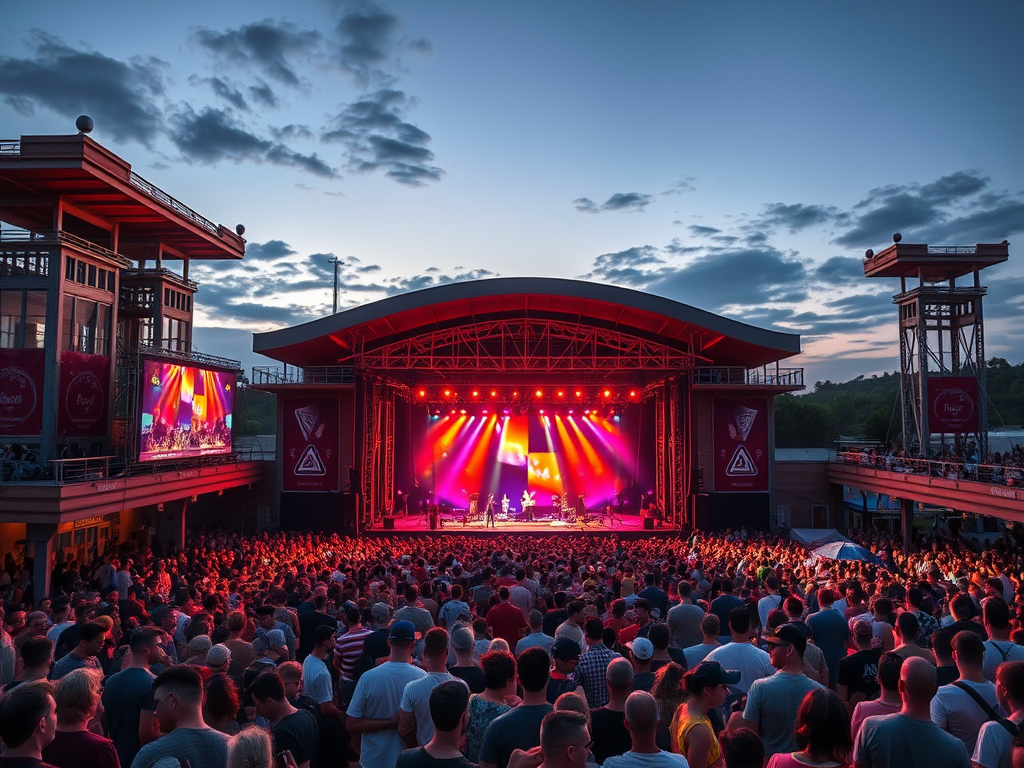

Let’s be honest: no one buys a ticket to a summer music festival or street fair thinking about hand sanitizer and garbage bags. They’re dreaming of live bands, cold drinks, and crowd-surfing vibes. But here’s the unfiltered truth; if your venue smells like porta-potty soup and the food court looks like a landfill, the music won’t matter.
Cleanliness isn’t just a background task for event venues. It’s a brand identity. It’s public perception. And it can make or break everything from social media buzz to return ticket sales.
Whether you’re running a one-night outdoor concert or managing a multi-day summer festival, sanitation is the behind-the-scenes hero that keeps guests safe, sponsors satisfied, and vibes intact.
This guide breaks down the areas that matter most — from restrooms and food courts to green rooms and guest entry zones — and gives you the game plan to keep your event clean, compliant, and rebookable.
Festival First Impressions Are Scent-Based
Here’s something most event planners forget: guests form their opinion of your venue before they even get their wristband on.
That first whiff? That’s the real welcome speech.
Many studies on environmental psychology say that humans link scent with memory and emotion more strongly than any other sense. So if the first impression includes overflowing trash bins, porta-potty ammonia, or stale beer stench — that’s the brand your guests remember, and it’s what they’ll associate with your event next time it comes up.
Smell = Safety and Trust
In outdoor spaces where visual polish is harder to control, scent becomes the subconscious cue guests rely on. If it smells fresh and clean, they feel safe. If it smells like neglect? They’re already mentally on Yelp — and not in a good way.
First Impression Hot Zones
- Restroom row near entrances (guests often need it right away)
- Food truck alleys and seating areas
- VIP or early entry lines where guests are standing and noticing everything
- Parking-to-entrance walkways (where trash piles tend to start)
Pro Tip: Use scent strategically, not synthetically
Don’t try to mask filth with overpowering fragrance bombs. Use:
- Disinfectant sprays with subtle, clean scents
- Portable air fresheners placed near (not in) restrooms
- Natural citrus-based cleaners for vendor stations
Smell is the start of the show. Make it hit like a headliner.

The Spill Zones: Beer Gardens, Food Courts & Vendor Rows
These areas are the heartbeat of your festival — where guests come to chill, snack, sip, and people-watch. They’re also the first zones to go from festive to filthy.
Sticky tables, grease puddles, dropped food, and spilled drinks don’t just kill the vibe — they create safety hazards, attract pests, and trigger health code violations faster than you can say “deep-fried Oreos.”
Why Cleanliness Here Is Extra Visible
Guests hang out in food areas longer than anywhere else, so they notice everything. If their shoes stick to the ground or the table feels crusty, it’s game over for comfort, and likely for your food vendor’s business, too.
Plus, these areas tend to be photographed and posted online. You don’t want your festival going viral because of someone’s ketchup-covered picnic bench.
Smart Sanitation Strategies for Spill Zones
- Staff on shift, not just standby: Have cleaning crew visibly stationed during meal rushes
- Table wipes available for self-use: Branded disinfecting wipe canisters = functional + promo opportunity
- Trash/recycling overflow protocol: Have one team member specifically watching bin fill levels
- Designated “dry mop & wipe” patrol: Constantly circling for spills, especially around beer tents
And remember — a sticky spill left for more than five minutes will turn into a slip hazard, a bug magnet, and a guest tweet all at once.
Bonus: Vendor Hygiene Matters Too
Encourage vendors to:
- Keep counters clear and wiped
- Sanitize touchpoints like card readers and condiment bottles
- Use mats under fryers and drink machines to contain splash zones
When the food court feels fresh, guests settle in. They linger. They spend more. And they remember the event as organized and enjoyable, not messy and chaotic.
Trash Overflow = Ticket Refund Energy
Few things tank the mood of a crowd faster than a mountain of trash baking in the sun. Overflowing bins, rogue napkins swirling in the wind, or piles of pizza boxes stacked next to food vendors send one loud, clear message: “This place doesn’t care.”
When guests feel like your event is literally trashy, that sentiment doesn’t stay quiet — it hits group chats, social media, and post-event surveys. The smell alone can be enough to drive people out of a zone, no matter how good the music is.
Trash Talks — and Guests Listen
- Overflowing trash bins communicate neglect
- Windblown litter makes the whole event feel abandoned
- Trash piles near eating areas kill appetite and vibe
- Photos of garbage spread faster than your lineup announcement
It’s not just aesthetics. It’s brand damage.
How to Out-Clean the Trash Crisis
- Double bin capacity in high-traffic areas: Food zones, restroom exits, entrance gates
- Stagger crew rotations to avoid bins being full all at once
- Bright signage for trash, recycling, and compost — with separation instructions
- Have a trash runner team (not just station crew) during peak hours
- Use bag-inside-bag systems so change-outs are lightning fast
Also — don’t forget to sanitize around bins. Even if the trash is contained, leftover grime, spills, and odors linger on the ground and nearby surfaces.
Pro Tip: Public Praise Wins
- Post a sign: “This area is checked and cleaned every 30 minutes”
- Have a sanitation crew in matching shirts with a “Clean Crew” badge
- Post cleanup time-lapses or crew shout-outs on your event’s social channels
Keeping your trash under control doesn’t just protect the vibe, it becomes part of your identity. Because nothing says “we’ve got this” like a festival that’s somehow packed and pristine.
Port-a-Potties and Permanent Restrooms: The Unforgivable Zone
Let’s cut to it: nothing ruins an otherwise perfect event faster than a horrifying bathroom experience.
Your food vendors could be Michelin-level. Your lineup could feature Beyoncé and Metallica. But if your restrooms are a horror show of smells, messes, or long lines — that is what your guests will post about.
Why Bathrooms Make or Break Public Events
According to a survey by Bradley Corporation, 64% of Americans have avoided returning to a business because of a bad restroom experience. At an outdoor event? That number might as well double. Guests assume that if the bathrooms are dirty, everything else behind the scenes is too.
It’s not just a matter of comfort — it’s about perceived safety and legitimacy. Clean bathrooms equal trust.
Port-a-Potty Protocols for High-Volume Events
- Rotation cleaning every 30–60 minutes during peak hours
- Sanitation log visible outside each unit (and actually filled out)
- Stocked and visible supplies: hand sanitizer, toilet paper, seat covers
- Assigned crew member to patrol and report — not just “check once and bounce”
And don’t forget disinfecting wipes — stations with a wipe dispenser next to the porta-potties offer peace of mind (and major review credit).
Permanent Restrooms Need Love Too
If your venue has indoor or built restrooms, treat them like the VIP experience they should be. Clean mirrors. Floors that aren’t sticky. Sinks that work and dry hands effectively. The whole checklist.
Add a few extras to impress:
- Subtle air fresheners
- Feminine hygiene product bins
- Wipes or antibacterial sprays
- Signage about how often the space is cleaned
A little luxury in the bathroom goes a long way, especially after people have waited in line and are bracing for the worst.
If your restrooms are clean, cared for, and refreshed frequently, guests will assume the same about your event. And that assumption? It pays you back in reviews, rebookings, and sponsor trust.

Compliance + Lawsuits: The Hidden Costs of Dirty Venues
Let’s talk risk — because when a venue isn’t clean, it’s not just gross… it’s a lawsuit waiting to happen.
From food safety violations to slip-and-fall accidents, the costs of poor sanitation don’t just hit your Yelp rating; they hit your wallet, your insurance premiums, and your ability to book future events.
The Big 3 Legal Hazards of Dirty Venues
- Foodborne Illness from Vendor Zones
If guests get sick and the root cause is traced to a dirty prep area, you’re in the liability chain, even if the vendor caused it. - Slip-and-Fall Claims from Spills or Overflow
Greasy walkways, soda spills, beer puddles, and poorly lit areas become litigation landmines fast. - ADA & Public Restroom Violations
If you’re not providing clean, stocked, and accessible facilities for all guests, you’re inviting complaints, and in some cases, formal penalties.
Cleanliness = Legal Armor
A well-documented cleaning schedule with logs, sign-offs, and regular oversight is your first line of defense in court. But it also helps prevent complaints in the first place.
Best Practices:
- Log all cleaning rotations and keep records
- Assign specific compliance check roles to staff or vendors
- Review local and state sanitation codes regularly (they vary!)
- Ensure handwashing stations and restrooms meet health department standards\
- Use disinfecting wipes and sprays approved for food-safe areas when needed
It’s simple: a clean venue isn’t just about optics. It’s a legal strategy. Because the only thing more expensive than overtime cleaning? A negligence claim with your name on it.
Backstage and Green Rooms: Clean Spaces for Headliners
You might think the crowd is your top priority, but if you want headliners to come back next year, you’d better be thinking about backstage cleanliness.
Green rooms, artist lounges, dressing areas — they may be hidden from the public, but they are front and center in artist experience. And when those spaces feel gross, neglected, or chaotic? Artists notice. Crews notice. Managers definitely notice.
And trust us: they talk.
What Dirty Backstage Says to Talent
- “We didn’t think about you.”
- “This is a budget operation.”
- “You’re not worth the effort.”
Not a great look if you’re trying to build loyalty, reputation, or next-year bookings.
Clean Backstage = Professional Festival
- Clean floors and odor-free air — no weird mix of mildew, stale beer, and cheap perfume
- Disinfected surfaces and stocked supplies — tables, sinks, toilets, mirrors
- Trash emptied between sets — not just once at the end of the day
- Linens washed and replaced if you’re offering towels or blankets
And yes, wipes matter here too. Keep disinfecting wipes in green rooms so artists and their crews can feel in control of their own hygiene.
Small Touches, Big Loyalty
- Personal cleaning kits for tour managers
- Labeled and sanitized food prep zones
- Clean-smelling towels and rugs
- Air purifiers or scent diffusers with neutral tones
Clean backstage areas don’t need to feel like a luxury suite. But they should feel intentional, calm, and cared for. That’s what keeps artists relaxed, happy — and ready to post a shoutout or sign on for next year’s lineup.
Clean Reputation = Stronger Sponsors + Return Attendance
Want to know what makes sponsors hesitate about backing your event next year? Dirty photos on social. Negative bathroom reviews. Overflowing trash in tagged posts.
In today’s world, your venue’s cleanliness is part of its brand — and brands are what sponsors align with.
What Sponsors See (and Avoid)
Sponsors want to associate with festivals that feel elevated, polished, and people-friendly. If the visual narrative online shows mud pits, crusty restrooms, and unsanitary food stations, that’s a red flag. No matter how good your numbers are, if the environment looks gross, it feels off-brand for them.
Likewise, guests who had a poor cleanliness experience aren’t coming back next year — and they’re telling friends why.
Clean Events Get Tagged for the Right Reasons
- Happy, clean crowds = smiling selfies = better sponsor exposure
- “Most organized event I’ve been to” hits different than “Bathrooms were a nightmare”
- Visibly present clean crews and supplies reinforce order, safety, and attention to detail
How to Turn Cleanliness Into a Competitive Advantage
- Include cleaning schedule info in your press kits and vendor/sponsor decks
- Promote your sanitation plan in event emails (“Yes, we’ve got 50+ restrooms, cleaned hourly”)
- Share “clean before/after” reels or cleanup crew features on socials
- Partner with eco-friendly or hygiene-focused brands (think: branded wipes, hand wash stations)
Cleanliness isn’t just for avoiding complaints. It’s for securing bigger sponsors, building brand equity, and locking in return guests who now see your event as not only fun — but functional.
In short: clean = credibility.

Wipe Stations & Sanitation Hubs: Building Guest Trust in Real Time
At a busy outdoor festival or concert, your guests aren’t just scanning for the next setlist — they’re also scanning for a clean place to sit, eat, and refresh. And in today’s post-pandemic world, visible sanitation isn’t optional — it’s expected.
That’s where wipe stations and dedicated sanitation hubs become more than just practical — they become psychological comfort zones.
Why Visibility = Confidence
Guests feel safer and more relaxed when they see:
- People actively cleaning
- Sanitizing supplies readily available
- Hand wipes and sanitizer placed with intention, not hidden away
Just like seeing security makes people feel safer, seeing sanitation makes people feel cleaner.
Where to Set Up Wipe Stations
- Near food areas and communal seating
- At every restroom exit
- Inside VIP lounges and green rooms
- Near entrances and ticket scanning areas
- Anywhere kids, pets, or high-touch activities happen (face painting, merch booths)
Use branded stands or signage to tie the station into your event’s identity — this isn’t clutter, it’s care, on display.
What to Include
- Disinfecting wipes in portable containers
- Alcohol-based hand sanitizer
- Paper towels and trash bin
- Clear instructions or signage (e.g., “Wipe before you dine!”)
- Optional: sunscreen and bug spray to boost utility and brand love
Make It a Feature, Not an Afterthought
Promote your wipe stations in your event guide, app, and maps. Mention them during announcements. Include them in social media posts before the event (“We’ve got sanitation hubs, so you can party cleaner!”)
These touchpoints are how you turn a cleaning product into an experience enhancer — and a trust builder with real staying power.
Volunteer and Staff Hygiene Culture: Clean Starts Behind the Scenes
Great guest experiences don’t start at the gates; they start in the break tents and check-in lines, long before the crowd arrives.
Your volunteers, vendors, greeters, security, and even entertainers are part of the cleanliness ecosystem. If your behind-the-scenes crew is unhygienic, undertrained, or overwhelmed, it shows fast — and spreads faster.
Everyone on Site = Hygiene Ambassador
Even if they’re not janitors, your staff plays a frontline role in health and cleanliness. Every hand they shake, drink they serve, or piece of merch they touch is a point of trust (or concern) for your guests.
Establish this rule early: “If you touch it, you’re responsible for keeping it clean.”
Build Hygiene Into Your Pre-Event Staff Flow
- Distribute personal sanitizing kits during staff check-in (hand sanitizer, disinfecting wipes, gloves)
- Include a 2-minute hygiene briefing before every shift
- Designate a “Clean Lead” per team (merch crew, entrance gate crew, volunteer tent, etc.)
- Post hygiene and cleanliness reminders in all backstage and staff-only areas
When staff see sanitation as part of their role — not someone else’s — you unlock a culture of care.
What to Watch For
- Staff sneezing or coughing without mask or tissue
- Volunteers eating at info booths or wiping greasy hands on event gear
- Merch tables with sticky card readers or unsanitized hand-to-hand exchanges
- Backstage or crew tents with overflowing trash or no hand-cleaning options
Bonus Tip: Reward Clean Culture
Shout out clean stations or teams during debriefs. Give small bonuses, shoutouts, or perks for crews that go above and beyond. Make hygiene a point of pride, not just a policy.
Because if your staff shows respect for cleanliness, guests follow. And the vibe shifts for the better, from the inside out.
Pre-Event Cleaning Walkthrough: What to Inspect Before Gates Open
Before the first wristband is snapped on, your team should already be walking the grounds with a checklist. Not a clipboard of guesses, but a tactical, hygiene-first walkthrough.
Why? Because once the crowd arrives, it’s game time. And if something’s dirty at the starting line, it’s 10x harder to fix under pressure.
Areas to Inspect Before Guests Arrive
- Restrooms: Toilet paper stocked, hand sanitizer full, floors mopped, mirrors wiped
- Trash & recycling: Every bin in place, with liners and backups nearby
- Food zones: Vendor stalls clear, tables wiped, grease traps contained
- Walkways & seating: No leftover trash, puddles, or loose debris
- Entrance path: First impression zone — look for odors, trash, signage visibility
- VIP/crew areas: Clean towels, air freshener, stocked stations, trash checked
What to Bring to Your Walkthrough
- Printed or digital sanitation checklist
- One sanitizer and wipe kit per inspector
- Extra trash liners
- Small signage pack for “cleaned” or “checked” zones
- A willingness to send someone back to fix what isn’t right
The Power of the Sniff Test
Yes, it sounds basic — but it works. Walk into every bathroom, green room, and food court zone and literally sniff the air. If it smells weird, guests will notice — and associate that scent with your entire event.
Turn Your Walkthrough into a Routine
- Do one final walkthrough 1 hour before gates open
- Do a second light version halfway through the event
- Debrief with team leads and update the checklist for next time
Events that start clean tend to stay cleaner — because the bar’s been set, the tone is established, and the staff knows you’re watching.
Conclusion: Clean Shows Win Crowds
You can have a stacked lineup, Instagram-worthy installations, and a fire food truck lineup, but if your bathrooms are nasty and trash is rolling across the grass like tumbleweeds, no one’s coming back.
Cleanliness at festivals and concerts is more than a maintenance detail; it’s a perception engine. It signals professionalism. It creates comfort. It builds trust. And it shapes everything from social media posts to sponsor decisions.
From the moment guests park to the second they post their recap video, every surface, smell, and sanitation station leaves an impression. That impression determines whether your event is remembered as iconic, or chaotic.
The best-run venues and organizers treat cleanliness as a frontline function, not a back-end task. They anticipate the mess before it happens, staff for spills, and make sanitation part of the experience, not just an emergency reaction.
So the next time you map your event layout, plan your ticket tiers, or design your sponsorship deck, ask this: “What will clean look like at peak hour?”
Then build the crew, systems, and culture to make it happen.
Because clean events don’t just protect guests — they impress them.
And those are the events people can’t wait to come back to.

Festival Sanitation FAQ
Q: How often should restrooms be cleaned during a festival?
A: During peak hours, restrooms should be checked and cleaned every 30–60 minutes. That includes restocking supplies, wiping surfaces, and taking out the trash. For high-traffic areas, aim for 3–4 cleanings per hour.
Q: What’s the best way to encourage guests to keep things clean?
A: Visibility is key. Provide accessible wipe stations, post friendly signage (“Help us keep it clean”), and make trash/recycling bins clearly marked and easy to use. When guests see sanitation in action, they’re more likely to participate.
Q: Do we need to clean vendor areas, or is that on the vendors?
A: You should enforce cleanliness standards but vendors are responsible for their own stations. Provide them with clear hygiene guidelines, require basic cleaning kits at each booth, and conduct periodic spot checks.
Q: What kind of cleaning supplies should we provide to staff and volunteers?
A: At minimum, give each team sanitizer, disinfecting wipes, gloves, and a roll of paper towels. For public-facing stations, also include masks and trash liners. Branded kits can double as functional tools and staff perks.
Q: What’s one sanitation detail most event planners overlook?
A: The “in-between zones” — like entrance walkways, staff-only break tents, or between food stalls. These transitional spaces often build up grime and get missed in standard rotations but make a huge impact on perception.


Leave a Reply