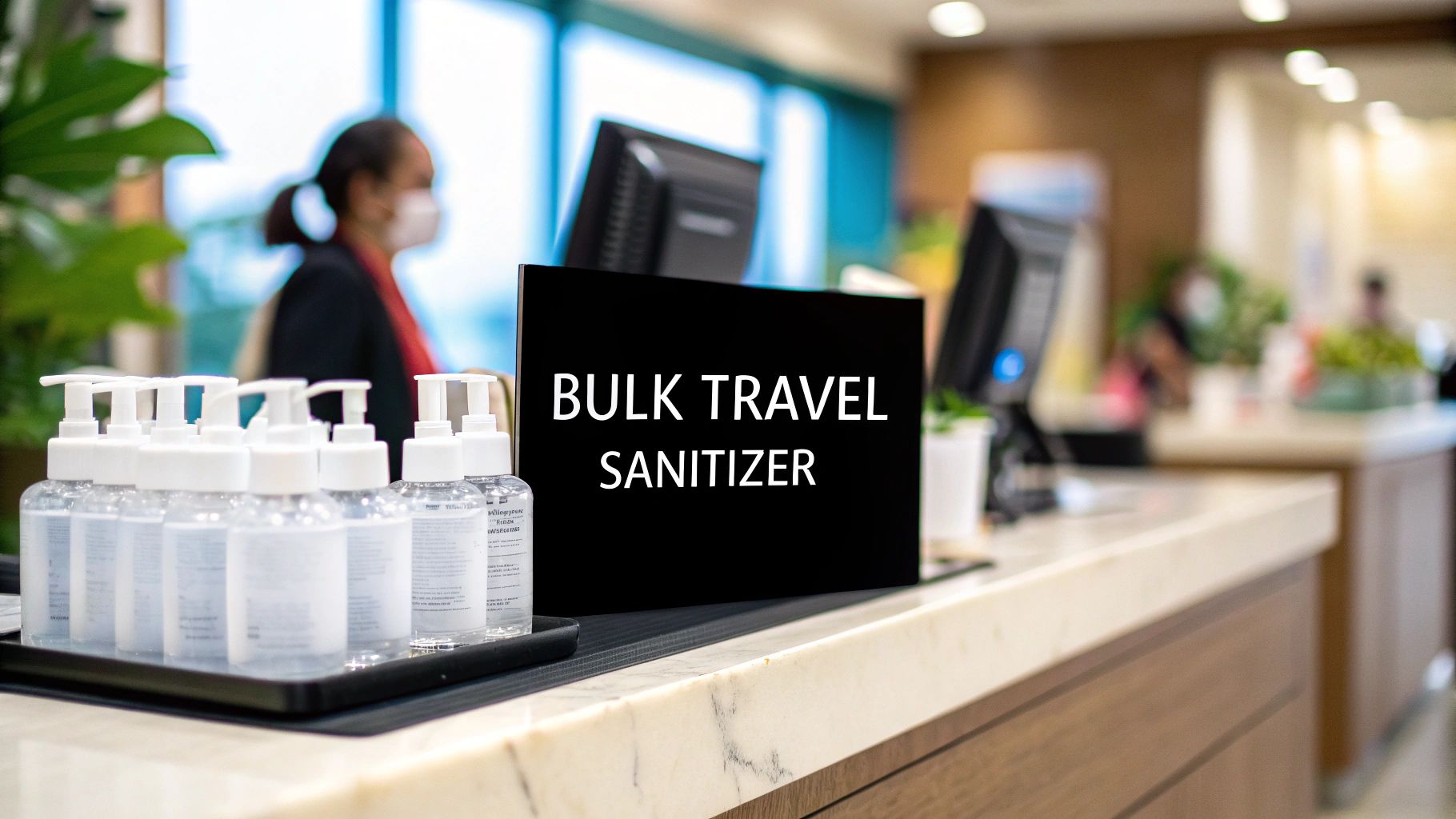
In today's fast-paced world, maintaining a pristine environment in commercial and public facilities is no longer just about appearances—it's a critical component of public health and customer trust. A proactive approach to hygiene, one that goes beyond basic cleaning to include disinfection, demonstrates a genuine commitment to the well-being of every person who walks through your doors. This is where disinfectant wipes become an indispensable tool. They empower staff and even patrons to maintain cleanliness in real-time, creating a safer, more welcoming space for everyone.
This guide offers practical advice for facility managers, janitorial professionals, and business owners looking to enhance their cleaning protocols.
Why Disinfectant Wipes Are a Smart Facility Investment

While routine cleaning removes dirt and grime, disinfection is the essential next step that eliminates harmful germs and pathogens. Disinfectant wipes offer a convenient, pre-moistened solution that combines cleaning and disinfecting into one efficient action. They are perfect for targeting high-touch surfaces where germs are most likely to spread, from doorknobs and light switches to gym equipment and checkout counters.
By making disinfectant wipes readily available, you empower staff and visitors to take an active role in maintaining a clean environment. This not only elevates the standard of hygiene but also builds a powerful sense of security and trust. When a customer sees wipes available at a gym or on a restaurant table, it sends a clear message: their health and safety are your top priority. This perception is invaluable for boosting satisfaction, loyalty, and your brand's reputation as a leader in public health.
Moving Beyond Compliance to Build Trust
Stocking disinfectant wipes isn't just about meeting safety regulations; it’s a strategic move that enhances the overall user experience.
In environments with shared equipment—like fitness centers, offices, or schools—wipes are not just a convenience; they are a necessity. They offer tangible peace of mind that directly translates into a more positive customer perception. As we've seen before, facility hygiene sells more summer memberships, and providing the tools for patrons to clean equipment before and after use is a prime example of this principle in action.
This small gesture also serves as a powerful, silent marketing tool. It shows you’re thinking about your community’s well-being, turning an investment in hygiene into a direct investment in your reputation.
By providing a tool for on-the-spot disinfection, you are actively participating in the health of your community. This demonstrates a level of care that customers and employees remember and appreciate long after they've left your facility.
Sales Tip: Educating Clients on the ROI of Hygiene
For sales professionals in the cleaning industry, promoting disinfectant wipes is about more than just selling a product. It's about educating clients on the return on investment (ROI) that comes from a visibly clean facility. Frame the conversation around benefits:
- Reduced Sick Days: A cleaner office means a healthier workforce and less productivity loss.
- Increased Customer Confidence: In retail or hospitality, visible cleaning efforts encourage longer stays and repeat business.
- Brand Enhancement: A commitment to hygiene becomes a key differentiator from competitors.
Incorporate wipes into a comprehensive cleaning supply package, presenting them as an essential component for maintaining health and safety standards between professional cleanings.
Effective Cleaning Tips with Disinfectant Wipes

To get the most out of your disinfectant wipes, proper usage is key. It’s not just about a quick swipe; effective disinfection requires following a few simple but crucial steps to ensure you're actually killing germs, not just moving them around.
A smart, structured approach to your wiping strategy will maximize efficiency and effectiveness, ensuring your facility is as clean as it looks.
The first step is a high-touch point audit. Walk through your facility and identify every surface that people touch frequently throughout the day.
Think about these critical areas:
- Entry and Exit Points: Door handles, push bars, and reception desks.
- Common Areas: Elevator buttons, railings, waiting room furniture, and coffee stations.
- Shared Equipment: Keyboards, phones, checkout counters, and gym machines.
- Restrooms: Faucet handles, stall locks, and paper towel dispensers.
Efficiency Hacks and Best Practices
Once you’ve mapped out your high-touch points, you can implement an effective cleaning routine.
Here’s a simple guide for maximum efficiency:
- Read the Label: The most important step! The label will tell you the "dwell time"—the amount of time the surface must remain visibly wet to effectively kill germs. This can range from 30 seconds to several minutes.
- Use One Wipe Per Surface: To avoid cross-contamination, use a fresh wipe for each distinct area. For a large surface like a conference table, you may need multiple wipes to ensure it stays wet for the required dwell time.
- Wipe in One Direction: When possible, wipe in an "S" pattern from top to bottom. This prevents you from re-contaminating areas you've already cleaned.
- Let It Air Dry: Do not wipe the surface dry after using a disinfectant wipe. Allowing it to air dry ensures the disinfectant has enough contact time to do its job.
Pro Tip: For janitorial staff, create a checklist of high-touch zones for each area of the facility. This ensures consistency and accountability, no matter who is on shift. Recommend wiping down these key surfaces multiple times a day in high-traffic areas.
Facility-Specific Suggestions for Optimal Cleanliness
Picking the right disinfectant wipe and strategy isn't one-size-fits-all. What you offer should reflect your brand’s commitment to safety and the specific needs of your environment. Getting this choice right is crucial for making sure the product is both effective and well-utilized.
First, always ensure your chosen wipes are EPA-registered and proven effective against a broad spectrum of pathogens. This is a non-negotiable for public health.
This infographic breaks down key considerations for sourcing disinfectant wipes.

As you can see, it's a balancing act between EPA registration, surface compatibility, and cost-effectiveness to make a smart, effective purchase.
Tailoring Your Approach to Different Facilities
The right wipe and placement strategy depends entirely on your specific setting.
Comparing Disinfectant Wipe Strategies by Facility
| Facility Type | Key High-Touch Areas | Strategic Placement & Tips | Sales Angle |
|---|---|---|---|
| Offices | Desks, keyboards, meeting room tables, shared kitchen appliances. | Place dispensers in break rooms, by printers, and in conference rooms. Encourage a "clean-in, clean-out" policy for shared spaces. | Promote as a tool for reducing employee absenteeism and boosting workplace morale. |
| Gyms | Cardio machine consoles, weight equipment handles, yoga mats, locker room benches. | Install large-roll dispensers throughout the gym floor and in studios. Use signage to remind members to wipe down equipment after use. | Position as an essential amenity that demonstrates a commitment to member health, justifying premium membership fees. |
| Restaurants | Tables, chairs, payment terminals, condiment dispensers, host stands. | Provide individual wipes for patrons or have staff use them for quick table turnovers. Essential for back-of-house food prep surfaces. | Highlight compliance with health codes and the ability to create a dining experience where customers feel safe and cared for. |
| Retail Stores | Shopping cart handles, checkout counters, PIN pads, fitting room handles. | Offer wipes at the entrance for carts and baskets. Keep a dispenser at the checkout for staff to use between customers. | A gift-with-purchase or a visible cleaning routine builds consumer trust and encourages longer browsing times. |
As you can see, each facility has unique needs. A consultative sales approach that addresses these specific pain points will be far more effective. For a deeper dive into client-specific needs, check out this comprehensive hand sanitizer market report, which highlights consumer awareness trends applicable to all hygiene products.
Finding and Vetting the Right Bulk Supplier

Alright, you understand the need and the strategy. Now comes the most critical part: finding a supplier you can trust. This isn't just about placing an order; it's about forming a partnership that directly impacts the safety of your facility.
Sourcing bulk disinfectant wipes means you have to do your homework. A bad supplier could provide products with unverified claims, harsh chemicals, or inconsistent quality. Your due diligence here protects your reputation and the people you serve.
Your Essential Vetting Checklist
When speaking with potential suppliers, ask the right questions to identify red flags early. A reputable company will be ready to provide the necessary documentation.
Here are the non-negotiables:
- "Is this product EPA-registered?" This is the most important question. A legitimate disinfectant must have an EPA registration number on its label, which verifies its claims.
- "Can I get a Safety Data Sheet (SDS) for this product?" An SDS details chemical properties, hazards, and handling instructions. If a supplier can't provide one, walk away.
- "What is the product's kill claim and dwell time?" Ensure the wipe is effective against the pathogens relevant to your environment and that the required dwell time is practical for your operations.
Don’t be shy about asking for references or a list of current clients. A confident, established supplier will have a track record of happy customers who can vouch for their reliability and product quality.
From Samples to a Purchase Order
Never commit to a large bulk order without testing the product first. Requesting samples is a standard and essential part of the process. Once they arrive, evaluate them from a user's perspective.
What should you look for?
- Moisture Level: Is the wipe too dry to meet the dwell time, or so saturated it leaves a puddle?
- Durability: Does the wipe tear or fall apart during use?
- Scent: Is the smell overpowering or pleasant and clean? A harsh chemical odor can be a major turn-off.
- Packaging: Is the dispenser easy to use? Does the packaging keep the wipes from drying out?
Once you’re satisfied with the samples, you can negotiate the details of your bulk purchase. Ask about volume discounts, as most suppliers offer tiered pricing.
Finally, get firm confirmation on lead times and shipping costs. Clear communication here is key to managing your inventory so you're never caught empty-handed. Following these steps will help you build a supply chain you can count on.
Ultimately, integrating disinfectant wipes into your daily routine is a powerful, visible way to prioritize cleanliness. Whether you're a business owner aiming to protect your customers or a sales professional helping clients achieve a higher standard of hygiene, this simple tool can make all the difference. Make cleanliness a cornerstone of your operations, and consider making disinfectant wipes a key player in your strategy.
Leave a Reply