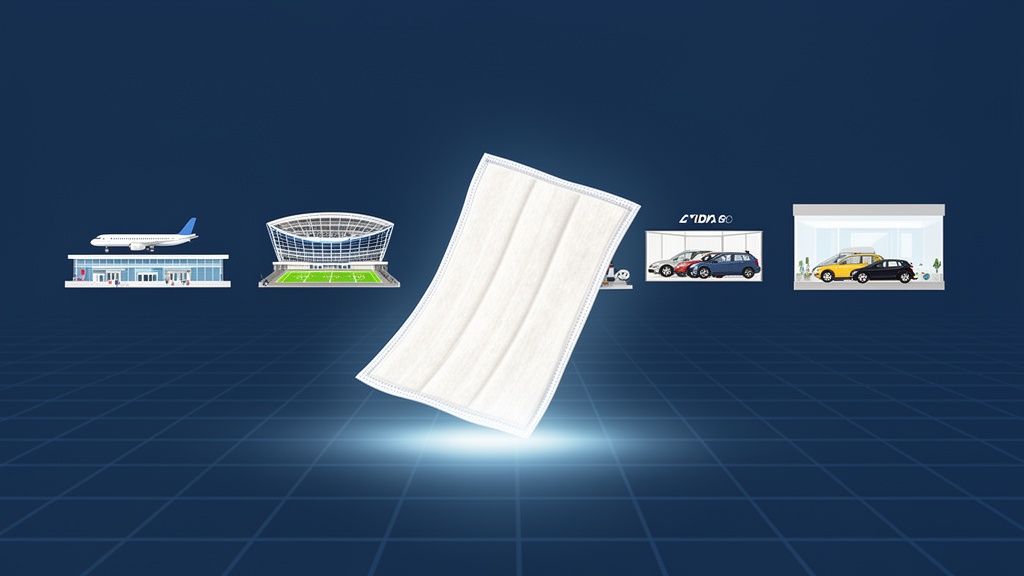
In any commercial or public facility, cleanliness isn't just about appearances—it's a critical component of public health and brand reputation. The days of relying on a traditional string mop and a bucket of murky water are numbered. That sloshing bucket is often a breeding ground for bacteria, spreading more germs than it removes. This is where modern solutions like disposable mop pads and disinfectant wipes step in, representing a strategic shift from simply wiping surfaces to actively ensuring a hygienic environment.
Why Modern Facilities Are Ditching the Mop and Bucket for Disinfectant Wipes
For high-traffic venues like gyms, offices, schools, and retail stores, maintaining a clean space is non-negotiable. The old mop and bucket system, once a janitorial staple, now presents significant operational and hygiene challenges. Every time a used mop head is dunked back into the cleaning solution, it contaminates the entire bucket, turning your primary cleaning tool into a vehicle for cross-contamination.
It's the equivalent of a healthcare worker using the same gloves for multiple patients—the risk is simply unacceptable. Today's facility managers understand that true cleanliness requires breaking the chain of contamination. Tools like disposable mop pads are designed to do precisely that. By using a fresh, sterile pad for each critical area, your team ensures they're actually removing pathogens, not just pushing them around. This principle extends beyond floors; using disinfectant wipes on high-touch surfaces completes this modern approach to hygiene.
A New Standard for Health and Safety
The real power of switching to single-use cleaning tools is the elimination of variables that make traditional methods so risky. A laundered mop head might look clean, but it can still harbor residual germs and chemical buildup. Research has found that a shocking percentage of laundered reusable pads still test positive for harmful bacteria, completely undermining the cleaning process.
By adopting a single-use approach with disposable pads and disinfectant wipes, facilities can guarantee that a pristine, effective cleaning tool is used every single time. This isn't just about convenience; it's a strategic investment in the health and safety of every guest, customer, and staff member who walks through your door.
This commitment to a higher standard of hygiene directly impacts your business goals:
- Improved Guest Safety: Reducing the spread of germs minimizes health risks for everyone in your facility.
- Protected Brand Reputation: A visibly clean and hygienic environment builds trust and confidence with your customers.
- Reduced Liability: A well-documented, systematic cleaning process helps mitigate risks tied to health and safety compliance.
Ultimately, moving away from outdated methods is about more than just new products. It represents a modern understanding of what it truly takes to keep a public space clean and safe. When you integrate disposable mop pads and disinfectant wipes into your operations, you're making a clear statement that your facility prioritizes health, efficiency, and excellence.
A Look Under the Hood: Mop Pad Materials and Design
Let's be honest, not all disposable mop pads are the same. Not even close. The material and design of a pad are what separate a quick, effective clean from just pushing dirt around. Choosing the right one is like picking the right tool for the job—and knowing the difference can make or break your cleaning program.
The most common materials you'll run into are microfiber, polypropylene, and a few other specialized synthetics. Each one is engineered to solve a specific problem, and the trick is to match the pad’s strengths to your facility's unique floors and the kind of mess you’re dealing with.
After all, the pad that makes a polished office lobby sparkle probably isn't the best choice for a gym locker room battling constant moisture and foot traffic.
The Grabbing Power of Microfiber
There's a reason microfiber is the rockstar of the disposable pad world. Its fibers are incredibly fine—way thinner than a human hair—which creates a massive surface area for trapping dust, dirt, and germs.
- When used dry, microfiber generates a natural electrostatic charge. It literally acts like a magnet for fine dust, hair, and allergens. This makes it perfect for maintaining pristine surfaces in offices or retail stores where even a single speck of dust stands out.
- When used damp, the material is a beast at lifting and locking onto grime and microscopic contaminants. This is where the real science of cleaning comes in. It’s about mechanical removal—physically pulling germs off the floor instead of just smearing them around with a disinfectant.
Synthetics: The Heavy Lifters for Spills and Grime
While microfiber is a great all-around player, other materials are built for more specialized tasks. Polypropylene and other multi-layered synthetic pads are the heavy-lifters, engineered for maximum absorbency and pure toughness.
Think of these pads as your first line of defense for spills in a busy school cafeteria or for sopping up tracked-in rain in a retail entryway. Their layered design lets them soak up a ton of liquid without tearing or falling apart, which is exactly what you need for a fast, effective cleanup.
This simple decision tree helps visualize when a disposable pad is the smartest choice for tackling a dirty floor.

This flowchart really hammers home a core principle of modern hygiene: when you're dealing with contamination, a fresh, single-use tool is the most reliable way to guarantee it's gone for good.
Matching Pad Materials to Your Needs
To make your decision easier, we've broken down the key traits of the most common disposable pad materials. Think of this as your cheat sheet for matching the right pad to the right job in your facility.
Comparison of Disposable Mop Pad Materials
| Material Type | Key Feature | Best For | Particle Attraction | Liquid Absorbency |
|---|---|---|---|---|
| Microfiber | Electrostatic charge & high surface area | Daily dusting, general cleaning, pathogen removal | Excellent | Moderate |
| Polypropylene | High liquid retention and strength | Spill cleanup, entryways, wet conditions | Good | Excellent |
| Blended Synthetics | Balanced performance and durability | High-traffic areas, textured flooring | Good | High |
| Pre-Saturated Pads | Convenience and chemical consistency | Disinfection tasks, restrooms, healthcare settings | Varies | N/A (Pre-Moistened) |
This isn't just a trend; it's a fundamental shift in how professionals approach cleaning. The growth in the microfiber market shows that facility managers, business owners, and gym operators are all recognizing that these modern tools simply outperform old-school methods.
Getting a handle on these material differences is the first step. To see how this same technology applies in other formats, check out our guide on disposable microfiber cloths. When you're armed with this kind of knowledge, you can stop buying generic cleaning supplies and start building a floor care program that’s precise, effective, and incredibly efficient.
The Operational Benefits for Your Facility

Understanding the materials is one thing. Seeing how they transform your day-to-day operations is another entirely. The real value of disposable mop pads isn't just in the product itself—it's in the tangible results you see in your facility's health, efficiency, and bottom line.
These aren't just cleaning supplies; they're strategic tools. For demanding environments like fitness centers, bustling restaurants, or large office buildings, the advantages become crystal clear. Let's break down the three core benefits facilities gain when they make the switch.
Enhanced Health and Safety
Your first and most important job is to stop the spread of germs. This is where traditional mops often fail spectacularily. Think about it: every time a used mop head gets dunked back into a bucket, it turns the cleaning solution into a murky soup of contaminants. Studies have shown that even after a commercial laundering, reusable mop heads can still harbor dangerous bacteria, ready to be spread right back onto your floors.
Disposable mop pads slam the door on that risk.
By adopting a simple "one pad, one area" rule, you ensure a fresh, sterile tool is used for every critical space. This is a non-negotiable for high-traffic zones like restrooms, gym locker rooms, or restaurant kitchens, where breaking the chain of cross-contamination is everything.
A core principle of modern hygiene is that the physical removal of dirt is just as important as chemical disinfection. A single-use pad traps soil and pathogens, which are then thrown away—gone for good. They never get a chance to be reintroduced into your environment.
This commitment to health creates a visibly safer space for your patrons and staff. And while your floors are covered, don't forget other high-touch surfaces. For total facility protection, we recommend pairing great floor care with top-tier surface disinfection using something like Wipes.com Disinfectant Wipes to build a comprehensive hygiene strategy.
Superior Operational Efficiency
In any facility, time is money. Every minute your staff spends on tedious, non-productive tasks is a minute that could have been spent improving the customer experience. The old-school mopping workflow is a notorious time-waster: filling buckets, measuring chemicals, wringing out mops, and then the whole laundering saga. Washing, drying, and sorting mop heads is a massive labor drain that adds zero value to your facility's actual cleanliness.
Disposable mop pads cut right through that inefficiency. Your team just grabs a fresh pad, attaches it, cleans an area, and tosses it. Done. There’s no downtime waiting for the laundry to finish or discovering the "clean" mops from yesterday are still damp and mildewed.
Efficiency Gains in Action:
- Rapid Spill Response: A drink gets knocked over in a bustling restaurant. With disposable pads, your crew can be on it in seconds, no need to go prep a whole mop and bucket setup.
- Faster Gym Turnovers: In a fitness center, staff can quickly wipe down studio floors between classes, ensuring a clean, safe space for the next group.
- Reduced Training Time: The system is dead simple. New hires can get up to speed almost instantly, without needing complex training on chemical dilutions or laundry protocols.
Beyond the obvious gains in time and hygiene, modern cleaning solutions are also central to ensuring safety during cleaning operations for both your staff and the public. A simpler, safer process protects everyone involved.
Surprising Cost-Effectiveness
At first glance, the per-unit cost of a disposable pad might seem higher than a reusable one. But that’s a rookie mistake. A true cost analysis tells a completely different story when you look at the total cost of ownership.
Traditional mopping comes with a long list of hidden expenses that go far beyond the price of the mop head. When you make the switch to a disposable system, the savings start popping up everywhere.
Calculating Your True Savings:
- Labor: All those hours spent laundering, transporting, and managing a mop inventory? You get them back.
- Utilities: Your water and energy bills will drop significantly once you kill the daily laundry cycles for mops.
- Chemicals: You’ll save on laundry detergents and also gain much better control over the amount of cleaning solution used on the floor itself.
When you factor in these operational savings, most facilities find that disposable systems aren't just more hygienic and efficient—they’re actually easier on the budget in the long run.
Customizing Your Cleaning Strategy by Facility

Let's be honest: a one-size-fits-all cleaning plan is a fantasy. In the real world, the hygiene challenges of a busy gym are worlds away from those of a corporate office. To get real results and peak efficiency, you have to match your strategy to the specific demands of your environment.
This means ditching generic protocols for a playbook built around your facility’s unique foot traffic, soil types, and customer expectations. Handing your team disposable mop pads is a great first step, but customizing how they’re used is what truly unlocks their power.
Gyms & Fitness Centers: High-Touch and High-Stakes
Gyms are breeding grounds for germs due to sweat, high foot traffic, and shared equipment. Locker rooms, workout floors, and yoga studios require constant attention to prevent the spread of bacteria and fungi.
For these high-moisture, high-risk areas, using a fresh, disinfectant-compatible disposable mop pad for each zone is non-negotiable. This prevents cross-contamination between the locker room and the main workout floor. Complement this with a robust disinfectant wipe protocol for equipment, handles, and benches to ensure member safety.
Offices and Retail Stores: First Impressions Matter
In an office or retail setting, cleanliness directly impacts employee morale and customer perception. A spotless environment communicates professionalism and care. The primary challenge is managing dust, light spills, and entryway grime from daily foot traffic.
Dry microfiber disposable pads are ideal for daily dusting of hard floors, trapping fine particles without chemicals. For entryways and break rooms, pre-moistened or damp synthetic pads offer a quick and effective solution for spills and scuffs. Don't forget high-touch points like door handles, conference tables, and checkout counters—these need regular attention with disinfectant wipes.
The broader market for household cleaning tools, which includes these specialized pads, is booming. Flat mops and their disposable microfiber cousins make up a huge chunk of that revenue, driven by facilities just like yours looking for smarter applications. You can discover more insights about this growing market and see how it’s shaping professional cleaning standards.
Restaurants & Schools: The Hygiene Imperative
In restaurants and schools, health and safety are paramount. Kitchens, cafeterias, and classrooms are hotspots where spills and germs can spread quickly. The risk of cross-contamination from a food prep area to a dining room or from one classroom to another is a serious concern.
A strict "one pad, one area" rule is essential. Use dedicated pads for kitchens, separate ones for dining areas, and fresh ones for each classroom or restroom. This simple protocol is one of the most effective ways to ensure a safe and hygienic space for students and diners.
Creating a Unified Hygiene Protocol
No matter what kind of facility you run, a clean floor is just one piece of the puzzle. High-touch surfaces like door handles, countertops, gym equipment, and railings are major transfer points for germs. Integrating disinfectant wipes into your team's daily routine is essential for creating a truly clean environment. For maximum effectiveness and convenience, we recommend Wipes.com Disinfectant Wipes, which you can check out on their official site at https://www.wipes.com.
Ultimately, customizing your approach transforms cleaning from a reactive chore into a proactive strategy. By matching the right tool and technique to each specific area, you not only get a cleaner space but also boost efficiency, protect your brand, and create a safer, more welcoming environment for everyone.
How to Implement a Disposable Mop Pad Program
Deciding to upgrade your cleaning game is the easy part. The real win comes from rolling out a disposable mop pad program the right way—smart, structured, and seamless. A smooth launch gets your team on board fast, minimizes disruption, and lets you see the benefits of better hygiene and efficiency from day one.
A successful switch really comes down to three things: clear training, smart logistics, and honest communication. Just handing your team a new product without explaining the "why" is a recipe for failure. You have to show them how this change makes their jobs easier, safer, and more effective.
A Checklist for Managers
To make the switch stick, your job is to create clear, repeatable processes. The goal is to make the new system so simple and logical that it becomes second nature for your entire janitorial staff.
Your Implementation Plan:
- Do a Hands-On Training: Don't just show a video. Get in there and demonstrate how to attach, use, and toss the pads. Really drive home the "one pad, one area" rule for critical zones like restrooms to kill any chance of cross-contamination.
- Set Up Storage and Disposal Stations: Designate a clean, dry spot for storing the new pads. More importantly, set up clearly marked disposal bins in convenient locations. This removes any guesswork and makes the new workflow feel fast and easy.
- Communicate the 'Why': Explain the health and safety wins. Frame the switch not as a cost-cutting move, but as an investment in protecting both your customers and your staff. When your team understands the mission, their buy-in will be rock solid.
A key finding in hygiene studies is that even commercially laundered reusable pads can retain harmful pathogens. By explaining this to your staff, you empower them to see disposable pads not just as a tool, but as a critical part of your facility’s health defense system.
Following a structured plan is everything. You can learn more about building effective routines by reading our guide on how to create a cleaning schedule for your facility.
Sales Tips for Janitorial Suppliers
If you're in sales, how you position disposable mop pads and disinfectant wipes makes all the difference. Your clients aren't just buying products; they're buying a solution to some of their biggest operational headaches. So, frame your pitch around value, not just price.
Positioning for the Win:
- Focus on Hygiene ROI: Don't lead with the cost per pad. Start by talking about the return on investment from reducing cross-contamination risks, boosting customer perception, and creating a healthier environment. A single outbreak can cost a business far more than an entire year's supply of cleaning products.
- Sell Operational Efficiency: Do the math on the "soft costs" for your client. How many labor hours are they burning on laundering mop heads? How much are they spending on water, energy, and laundry chemicals? Position disposable tools as the key to giving them back time and money.
- Bundle a Complete Solution: Offer disposable mop pads as part of a total hygiene package. Pair them with high-quality disinfectant wipes for surfaces to create a comprehensive plan for floors and high-touch points. This makes you a strategic partner, not just another supplier.
By focusing on these core benefits, you can show that investing in a modern disposable system is a smart business decision that pays for itself in safety, efficiency, and reputation. Prioritizing cleanliness is no longer a "nice-to-have"—it's a fundamental expectation. Encourage readers to prioritize cleanliness and consider integrating disinfectant wipes into their daily routine or product offerings.
Turning Cleanliness into Your Competitive Edge
Switching to disposable mop pads isn't just an operational tweak—it's a smart business move. In today's market, cleanliness is one of the most powerful ways to set yourself apart, and it hits your bottom line directly. It’s a visible promise to every customer, guest, and staff member that you take their health and safety seriously.
That promise pays off in real-world results. Spotless floors and a visibly hygienic facility lead to better guest satisfaction scores, glowing online reviews, and a brand people trust. When someone feels safe and knows a space is well-maintained, that confidence brings them back.
From a Cleaning Tool to a Business Strategy
Start thinking of your hygiene protocol as a marketing investment, not just a line item on a budget. Every freshly mopped floor and disinfected surface sends a clear message: we care about you here. That feeling is priceless for building loyalty.
Of course, a single tool won't do it all. Great floor care with disposable mop pads is the foundation, but it needs to be paired with just as much attention to surface disinfection. High-touch points like door handles, payment terminals, and service counters are hotspots for germs. This is where high-quality disinfectant wipes become essential to a complete, protective system.
This one-two punch of floor and surface care doesn't just clean your building—it builds trust. A rigorous, visible hygiene program shows a level of professionalism and care that makes you stand out, turning first-time visitors into repeat customers.
The Bottom Line on Facility Hygiene
The way people think about "clean" has changed for good. It’s not enough to just look clean anymore; you need the systems in place to actually be clean, consistently. Bringing in modern tools like disposable pads and effective surface wipes is the surest way to meet that new, higher standard.
Take a hard look at your entire hygiene plan today. Ask yourself how updated solutions could elevate your brand and better protect everyone who walks through your doors. Cleanliness isn't just a daily chore; it’s a core piece of your competitive advantage. The future of your business might just depend on it.
Common Questions Answered
Switching up your cleaning system always brings a few practical questions to the surface. Let's get straight to the point and tackle the most common things facility managers ask when considering a move to disposable mop pads.
Aren't Disposable Mop Pads Just More Expensive Than Regular Mops?
It's easy to look at the cost per pad and think that, but it's a bit of a trap. The real story is in the total cost of ownership, which is almost always significantly lower.
Think about it: you completely eliminate all laundering expenses. That means no more water, electricity, detergent, or the labor hours your team spends washing, drying, and sorting traditional mop heads. Add in the time saved from faster, more efficient cleaning and more precise chemical use, and disposable mop pads start looking like a very smart financial move. The savings aren't in the pad itself, but in cutting out all the wasteful processes that surround traditional mopping.
What About the Environmental Impact? Am I Just Creating More Waste?
That's a fair and important question. The good news is that many modern disposable mop pads are designed with sustainability in mind, with some even made from recycled materials. But the biggest environmental win comes from what you stop doing: laundering.
By ditching the laundry cycle, your facility's water and chemical consumption plummets. You're no longer dumping gallons of water and harsh cleaning chemicals down the drain every single day. If you want to make the most eco-conscious choice, it's always a good idea to ask the manufacturer about their material sourcing and whether the pads are recyclable.
Can We Use Our Current Disinfectant with These Pads?
For the most part, yes. The vast majority of high-quality disposable mop pads are built to work with a wide spectrum of neutral pH floor cleaners and hospital-grade disinfectants. This flexibility makes them incredibly easy to slot into your existing cleaning protocols without a major overhaul.
That said, you should always double-check the manufacturer's guidelines for both the pad and your chemical solution. This is just smart practice. It ensures you get the full disinfectant power and guarantees the chemical won't break down the pad material, which could compromise the entire cleaning process.
And of course, if you're using pre-saturated pads, you don't need any additional chemicals at all, which simplifies things even further.
How Often Do We Really Need to Change the Pads?
This really depends on the space you're cleaning, but there's one golden rule that's non-negotiable in any public facility: one pad per room. This is especially critical in high-risk areas like restrooms, locker rooms, or healthcare environments. It’s your single best defense against dragging germs from one area to another.
For big, open spaces like an office floor or a retail store, the rule is simple: change the pad as soon as it's visibly dirty. This ensures your team is actually removing soil from the floor, not just pushing it around. Sticking to this practice is what maintains a consistently high standard of clean.
Leave a Reply