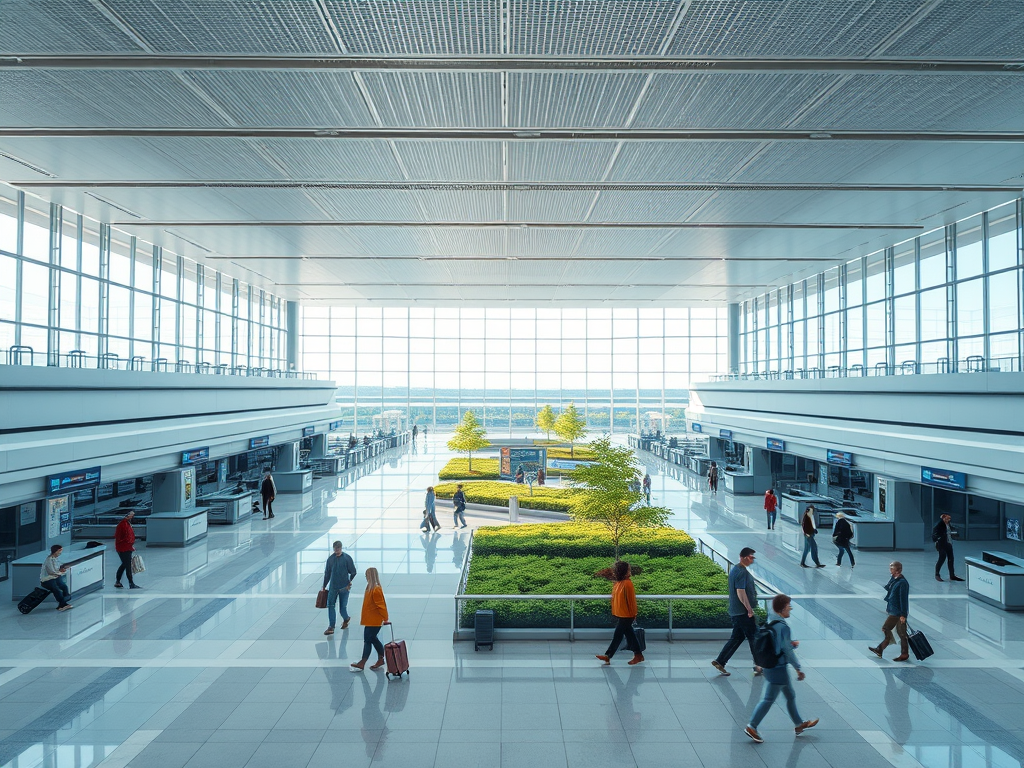

Airports are more than transit hubs — they’re full-blown brand experiences. Whether you’re a bleary-eyed business traveler, a parent with kids in tow, or a solo tourist crossing borders, your judgment of a destination often begins and ends in the terminal.
And it’s not just the architecture, signage, or security lines that shape that impression. It’s the smell of the restroom. The stickiness of the gate seats. The cleanliness of the food court. The availability of disinfecting wipes when you touch that security tray or fold-down tray table.
Cleanliness in airports isn’t just nice; it’s strategic.
A spotless terminal can ease passenger stress, drive commercial revenue, enhance brand reputation, and reduce health risks. A dirty one? It creates anxiety, fuels bad reviews, and weakens the traveler’s trust in both the airport and the airlines it hosts.
This guide dives deep into the hidden impact of airport hygiene, from the surfaces people touch to the emotional cues they don’t even realize they’re receiving. If you operate, manage, or influence any part of the airport experience, you’ll want to keep reading.
First and Final Impressions: The Psychology of Airport Cleanliness
Before a traveler even steps onto their plane, they’ve already made a mental snapshot of your airport, and it’s usually formed in the first few minutes.
Customers are able to make up their minds about a brand within seven seconds of entering a space. For airports, that means before a single airline rep speaks or a TSA agent waves them through, the traveler’s brain has already filed away a judgment: safe, chaotic, efficient, gross, inviting… or not.
And once a traveler lands at their destination, the experience restarts. The terminal becomes the first look at a new city or country, and if it’s dirty, chaotic, or poorly maintained, it casts a long shadow over everything that follows.
Cleanliness = Emotional Cue
Travelers associate a clean terminal with:
- Security
- Organization
- Modernization
- Professionalism
Dirty or cluttered terminals, on the other hand, trigger associations with:
- Neglect
- Chaos
- Poor management
- Potential illness
In an age of social media, these impressions go global in real time. Photos of overflowing trash bins, unsanitary restrooms, or dusty gate seating can tank an airport’s image before a single PR campaign can recover it.
Clean isn’t cosmetic — it’s neurological. And that makes it a core part of your airport’s first and final impression.

Germ Central: High-Touch Danger Zones Most Airports Miss
Airports are engineered to move people fast, but that movement comes with a whole lot of touching.
From TSA bins and escalator rails to touchscreen kiosks and armrests at the gate, high-touch surfaces are everywhere, and most are cleaned far less than travelers assume.
Hidden Germ Zones in Plain Sight
- Security bins — these get handled by thousands daily, yet studies show they often have more germs than toilet seats
- Self check-in kiosks — great for speed, terrible for hygiene
- Gate seating armrests and side tables — especially in terminals with long layovers or delays
- Elevator buttons, railings, and door handles — rarely disinfected between waves of passengers
- Charging stations and shared tabletops — constant use, inconsistent cleaning
Each of these surfaces becomes a micro-hub for bacterial and viral transfer, especially during flu season or travel peaks.
Cleaning Frequency vs. Traveler Assumptions
Most travelers assume these zones are wiped regularly. They’re not. And once someone realizes that — like mid-trip, post-snack, or during boarding — it becomes a moment of anxiety and, often, vocal complaint.
This is where disinfecting wipes become a powerful asset. Make them visible. Offer them freely. Empower travelers to clean their own space quickly, and feel safer doing so.
Airports that acknowledge these germ zones (and actively address them) don’t just protect public health; they win traveler trust, which is worth more than any ad campaign.
The Bathroom Benchmark: Why Restroom Hygiene Sets the Tone
In airports, restrooms aren’t just utilities, they’re scorecards. And they often determine whether a traveler thinks your entire terminal is “run well” or “run down.”
A survey by Bradley Corporation found that 64% of Americans have avoided returning to a business after a bad restroom experience. Now imagine they’re not even choosing your airport, they’re stuck in it for hours. The risk isn’t just that they won’t return. It’s that they’ll tell the internet why.
The Restroom Experience Is a Trust Test
Travelers often rate an airport’s cleanliness based entirely on their first restroom visit. If the bathroom smells off, looks worn down, or is missing basic supplies — the perception snowballs:
- “If they can’t keep a restroom clean, what else are they missing?”
- “This airport feels old/outdated/neglected.”
- “I don’t want to eat anything from here.”
Restroom Red Flags
- Overflowing bins and soggy paper towels
- Stained sinks or sticky counters
- Foul odor (especially near entrance/exit)
- Out-of-stock soap or hand dryers
- No signage about cleaning schedules or visible staff presence
Strategies That Win Praise
- Post a visible cleaning schedule log at each entrance
- Install motion-sensor air fresheners and odor-neutralizers
- Assign floating bathroom staff for large terminals
- Offer wipe stations near bathroom exits for post-use peace of mind
- Keep extra supplies stocked behind “staff-only” doors for fast response
A clean bathroom isn’t a luxury — it’s a message. And in airports, that message echoes loud.

Food Court or Health Hazard?
The airport food court is supposed to be a pitstop, not a public health scare.
Travelers count on these spaces for a moment of comfort, to fuel up before a flight, calm their kids with fries, or unwind with a familiar coffee order. But when tables are sticky, trays are greasy, and trash bins are overflowing, that comfort vanishes fast.
Where Cleanliness Breaks Down
- High-speed turnover: Dozens of guests touch a table within an hour, but no one wipes it down.
- Open condiment bars: A magnet for spills, germs, and toddler hands.
- Tray return areas: Rarely cleaned, often smelly, and located near food.
- Shared seating with no cleaning buffer: Guests aren’t sure if the table was sanitized or just vacated.
The result? A zone that feels less like hospitality and more like contamination.
Guests Notice the Details
- Are the tables clean and dry?
- Do the chairs feel greasy or sticky?
- Are the food prep zones in view (and do they look safe)?
- Can they find a sanitizing wipe if they want to clean their space?
If the answer to any of these is “no,” trust is already fading.
Solutions That Feed Both Trust and Appetite
- Have visible cleaning crews on duty, not just after hours
- Provide disinfecting wipe dispensers at every food zone entry/exit
- Post signage that says “Tables sanitized regularly — wipe if you wish!”
- Use tech: UV tray sanitizers, sensor-triggered table clean alerts, or QR codes to report spills
Food courts don’t have to be luxury dining to feel safe; but they do need to feel managed, maintained, and monitored. Otherwise, guests will eat somewhere else… or worse, not eat at all.

Gate Waits, Sticky Seats, and the Case for Mid-Day Sanitation
The gate area is where travelers spend most of their time in an airport — and unfortunately, it’s also where cleanliness tends to take a nap.
Between long delays, gate changes, and boarding backups, passengers are eating, sleeping, working, and pacing across every inch of that zone. The result? A build-up of trash, food remnants, spills, and skin-contact grime on seats, tables, armrests, and outlets.
The Case for Mid-Day Cleaning (Not Just Overnight)
Most airports still treat deep cleaning like an after-hours event. But by the time your cleaning crew shows up at 1 a.m., the mess has already damaged dozens of passenger experiences and possibly even brand trust.
Mid-day cleaning walks with roving staff not only maintain hygiene, they’re visible symbols that cleanliness is a priority.
What Travelers Notice in Gate Areas
- Leftover crumbs and wrappers on seats
- Spills under tables or charging zones
- Greasy armrests from hours of contact
- Lack of wipe access or cleaning presence
- Overflowing trash bins near vending machines
These aren’t minor annoyances, they’re stress triggers during an already tense part of the travel journey.
What Works
- Midday and pre-peak sweep rotations (especially around meal times)
- Visible cleaning crew with branded gear
- Trash/recycling emptied 2x per shift minimum
- Disinfecting wipe stations within 15 feet of seating clusters
- Mobile signage saying “Cleaned at 12:45 – Let us know if we missed anything!”
A cleaner gate area equals a calmer traveler. And in the airline world, that can be the difference between a complaint… and a compliment.
Lounge vs. Public: The Cleanliness Gap in Airport Class
Let’s face it, not all airport experiences are created equal. And nowhere is that more obvious than in the cleanliness divide between public terminals and airline lounges.
Walk into most airport lounges and you’re greeted with:
- Clean, quiet spaces
- Disinfected counters and sanitized seating
- Regularly wiped food stations and self-serve bars
- Staff visibly tidying up after every guest cycle
Then walk 100 feet into the general terminal and it’s:
- Overflowing trash
- Sticky shared tables
- Questionable smells coming from the nearby restrooms
The disparity isn’t just about comfort; it’s about expectations and equity. And travelers notice.
What This Divide Tells Travelers
- “Cleanliness is a luxury” — instead of a baseline standard
- “If I don’t pay extra, I’m not worth cleanliness”
- “This airport isn’t built for everyone — just a select few”
That kind of message doesn’t just damage brand perception — it damages trust in the airport’s core commitment to health and safety.
Bridging the Gap
You don’t have to turn the terminal into a five-star resort. But you can:
- Increase cleaning rotations in high-traffic public areas
- Match lounge-level hygiene in basic zones (restrooms, gate seats, food courts)
- Use signage and visibility to show that sanitation matters at every price tier
- Offer public disinfecting wipe stations, just like in lounges
Clean should be a standard, not a class upgrade.
Cleaning in Motion: Overnight Crews, Scent Strategy, and Floor Scrubbers at Work
When the airport goes quiet — usually between 1 and 4 a.m. — the real magic should begin.
That’s when overnight cleaning crews, industrial scrubbers, and sanitation specialists roll in to reset the terminal for the next wave of flyers. And while most travelers never see it happen, the impact is massive.
The Role of Overnight Crews
- Deep-cleaning floors, especially in high-traffic corridors and food zones
- Disinfecting restrooms, lounges, and seating areas without interruptions
- Emptying bins and pressure washing trash zones
- Restocking supplies and checking damage reports before the morning rush
Without overnight attention, dirt and grime compound. And by Day 3 of a holiday travel surge, the place starts to look like a dorm kitchen during finals week.
Scent Strategy = Subconscious Sanity
We often forget the importance of smell in signaling cleanliness. But travelers don’t.
Subtle, fresh-smelling scents (think lemon, linen, or eucalyptus) signal that the space is clean and well-managed. Harsh bleach smells or unidentifiable funk? That tells a very different story.
Smart airports:
- Use automated scent diffusers near entrances and restrooms
- Choose mild, inoffensive fragrances that cue “clean,” not “chemical”
- Avoid masking smells — always clean before scenting
Show Off the Scrubbers
When travelers see robotic scrubbers, staff cleaning floors in uniform, or signage that says “cleaned every 2 hours,” they feel better. They relax. They trust.
That trust? It’s worth more than any ad campaign.
Clean in motion isn’t just practical — it’s powerful.
Self-Serve Sanitation: Why Wipe Stations and Disinfectant Access Matter
In the age of heightened hygiene awareness, travelers don’t just want to be protected, they want control.
Airports that provide accessible sanitation tools like disinfecting wipe stations, hand sanitizer stands, and dispensers are no longer seen as going above and beyond, they’re simply meeting baseline expectations.
The Empowerment Effect
When guests have access to sanitation tools:
- They feel safer
- They perceive the environment as cleaner
- They’re less likely to complain about hygiene
- They’re more likely to trust airport leadership and operations
It’s about perceived agency. Giving passengers the ability to wipe down their tray table or hand sanitize after TSA gives them peace of mind on demand, and that’s a loyalty builder.
Where to Place Sanitation Stations
- At TSA exits and security checkpoints
- At food court entrances and exits
- In gate seating clusters
- Inside every public restroom (especially near doors)
- In baggage claim zones
- Near self-check-in kiosks and high-touch digital terminals
What to Include
- Disinfecting wipes — not just hand sanitizer
- Visible branding so passengers recognize it instantly
- Trash bins nearby to avoid wipe litter
- Refill signage: “Out? Let us know and we’ll restock”
When sanitation is self-serve, visible, and easy to use, it enhances not just safety, but confidence. And that confidence travels.

Clean Airports = Trustworthy Airlines: The Brand Perception Link
Travelers may fly Delta, United, JetBlue, or Emirates — but when they talk about their experience, they often don’t distinguish between the airline and the airport.
That’s why cleanliness at the terminal level directly impacts how passengers perceive the brand that flew them there.
Terminal Grit = Airline Guilt
- “The bathroom was disgusting” becomes “That whole trip felt sketchy.”
- “The gate area smelled awful” morphs into “I hate flying this airline.”
- “There were no wipes or sanitizer anywhere” sounds like “This company doesn’t care about people.”
Even if the airline staff were fantastic and the flight was smooth, that grime sticks. Literally and figuratively.
Why the Environment Shapes the Brand
Airports set the emotional tone before boarding and after landing. If the space is clean, organized, and fresh-smelling, passengers feel like they’re in safe, professional hands. If it’s not? That worry bleeds into their perception of the flight — and their willingness to book again.
Shared Responsibility = Shared Benefit
- Airlines should advocate for higher sanitation standards from terminal partners
- Airports should align their cleanliness policies with airline brand values
- Cleaning crews should treat gate areas like airline storefronts (because they are)
Investing in a cleaner terminal isn’t just about reducing complaints — it’s about elevating every airline that operates inside it. And that’s a win for flyers, brands, and bottom lines.
Weatherproof Cleanliness: How Airports Handle Rain, Snow, and Summer Traffic
Cleanliness doesn’t exist in a vacuum, especially not in a terminal with 60,000 feet tracking in mud, snow, sweat, sunscreen, and suitcase grime daily.
Each season brings its own sanitation challenges. The best airports anticipate them, and prep accordingly.
When It Rains (or Snows), It Pours
- Wet floors = slip hazards — and lawsuit magnets
- Umbrella drip puddles near entrances and kiosks
- Salt, snowmelt, and mud that turns floors gray and gritty
- Fogged-up, sticky windows that lower visibility and feel dingy
Summer Travel Grime
- Sweat on leather seats and armrests — no thanks
- Sunscreen smears on kiosks, trays, and windows
- Melting snacks and spilled iced coffee make food courts extra gross
- Overloaded trash bins from snack-heavy delays
Weather-Responsive Clean Game Plan
- Deploy seasonal floor mats near every entrance — rotate midday
- Assign wet-zone crew sweeps during storms and surges
- Switch to quick-dry disinfectants in summer
- Have a plan for HVAC and scent management during high humidity
Clean airports don’t fear the forecast. They plan for it.
The Digital Clean Layer: Apps, Kiosks, and the New Tech Hygiene
We’re living in a touchscreen world — but most of those screens? Grimy.
Travelers now expect high-tech, low-contact airport experiences. But if your kiosks are greasy, your QR menus glitch, or your app doesn’t help locate a clean restroom? That’s a digital trust-breaker.
Tech Touchpoints That Must Stay Clean
- Self-check-in kiosks and bag drop terminals
- Security and immigration touchscreen panels
- Digital food ordering stations
- iPad menus at lounges or food courts
- Charging stations and public-use tablets
If it’s touched — it needs cleaning.
Smart Digital Hygiene Strategies
- Add disinfecting wipes near every digital station
- Schedule visible wipe-downs every 30–60 minutes
- Install touchless or voice-activated kiosks where possible
- Launch app features to report dirty zones or check restroom status in real time
- Highlight your tech-cleaning efforts via signage or social content
Airports are evolving. Your digital hygiene policy should too.
Conclusion: A Spotless Terminal Is a Soaring Reputation
Airports are more than transit points, they’re emotional and physical touchstones of entire cities, countries, and experiences. Travelers may not remember every gate number or snack they grabbed, but they will remember how clean (or not) the airport felt.
Cleanliness isn’t about making things look pretty. It’s about making people feel safe, respected, and welcome — no matter their ticket class, destination, or travel purpose. And in a world that values health and comfort more than ever, the stakes have never been higher.
From sparkling restrooms and disinfected food courts to accessible wipe stations and visible overnight cleaning teams, the airports that rise above treat sanitation not as an afterthought, but as a defining feature of guest experience.
The impact is measurable:
- Increased guest satisfaction scores
- Improved airline reviews
- More return passengers
- Higher confidence among travelers and sponsors alike
It’s time to stop thinking of cleaning as a background task. It’s a brand builder. A business driver. And a quiet competitive edge in the loudest places on Earth.
Because when a terminal runs clean — everyone takes off with confidence.

Airport Cleanliness FAQ
Q: How often should airport restrooms be cleaned?
A: High-traffic airport restrooms should be cleaned and checked for supplies at least once every 30–60 minutes. During peak travel periods, frequency should increase to every 20 minutes or more.
Q: What are the dirtiest areas in most airports?
A: Common culprits include security bins, self-check-in kiosks, gate armrests, food court tables, and restroom door handles. These high-touch zones often receive less attention than they should.
Q: Should airports offer disinfecting wipes to travelers?
A: Absolutely. Offering disinfecting wipes in visible, high-traffic locations empowers travelers to maintain personal hygiene, reduces anxiety, and improves overall brand perception.
Q: Are airline lounges actually cleaner than public terminals?
A: In most cases, yes. Lounges are cleaned more frequently and intentionally due to lower foot traffic and higher service expectations. However, airports can and should bring similar standards to public zones.
Q: What’s one easy win for improving airport cleanliness perception?
A: Scent strategy. Subtle, clean-smelling air cues like lemon or linen make terminals feel fresher and more inviting. Combine with real cleaning — scent should never be used to mask dirt.
Q: Who is responsible for cleaning gate areas — the airport or airlines?
A: It depends on the contract. Sometimes the airport handles public zone cleaning; other times, airlines manage their gate area. Regardless, travelers don’t distinguish — they expect clean, period.

Leave a Reply