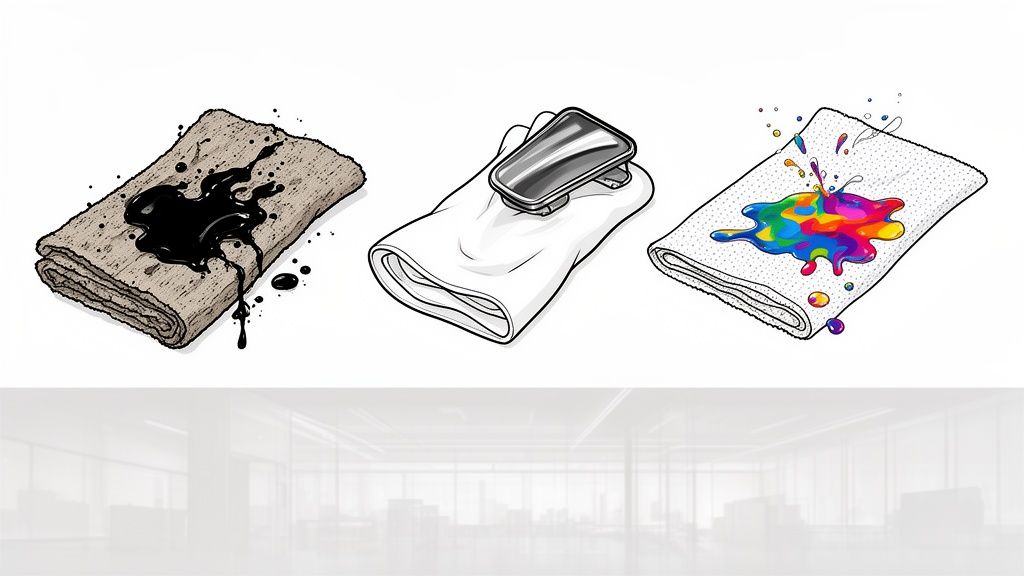
Maintaining a pristine environment is no longer just a goal—it's a critical component of safety, customer trust, and operational excellence in any commercial or public facility. A greasy rag bin in a service center or a grimy cloth in a gym isn't just an eyesore; it's a liability. This is why savvy business owners and facility managers are moving away from traditional laundered rags and embracing the strategic advantages of high-performance disposable shop towels and disinfectant wipes.
The Modern Shift to Disposable Shop Towels
For years, woven cloth rags were the default tool in workshops, manufacturing plants, and service bays. The logic seemed simple enough: buy them once, wash them, and reuse them. But this approach comes with a host of hidden costs and risks that smart facility managers just aren't willing to accept anymore. The move to disposable shop towels isn't about convenience; it's a calculated decision aimed at achieving a higher standard of cleanliness and safety.
Think of it this way: every laundered rag is a gamble. Was it truly sanitized? Does it still harbor tiny metal shavings, chemical residues, or germs from its last job? Using that same rag on a new task can lead to cross-contamination, a ruined finish, or even a worker injury. Disposable towels and wipes offer a fresh start, every time.
Overcoming the Flaws of Traditional Rags
The problems with reusable rags go far beyond just cleanliness. Modern operations demand consistency and reliability—two areas where laundered rags consistently fall short.
- Inconsistent Performance: A brand-new cloth rag performs completely differently than one that's been washed ten times. Laundering breaks down the fibers, steadily reducing absorbency and strength over time.
- Hidden Labor Costs: Managing a rag program is a job in itself. Collecting, sorting, laundering, and redistributing those rags eats up valuable staff hours that could be spent on far more productive tasks.
- Major Safety Risks: Rags saturated with oils and solvents are a serious fire hazard if not stored and disposed of perfectly. They also contribute to slip-and-fall incidents when they fail to absorb spills effectively.
Disposable shop towels solve all these problems by providing a fresh, high-performing tool for every job. For sales professionals, this is a key selling point: you aren't just offering a towel; you're offering guaranteed performance and risk reduction.
A key benefit of single-use towels is the complete elimination of cross-contamination risk. In any facility—from a fitness center to an auto dealership—preventing the spread of germs, chemicals, or grime from one surface to another is critical for both safety and brand reputation.
A Strategic Investment in Your Operations
Framing disposable shop towels as just another supply item misses the bigger picture entirely. They are an investment in a cleaner, safer, and more efficient facility. By giving your team the right tools, you empower them to work more effectively, uphold higher standards, and take genuine pride in their environment.
For total facility hygiene, complementing these towels with a reliable disinfectant is essential. After cleaning a surface with a disposable towel, following up with a disinfectant wipe ensures that harmful germs are eliminated. This two-step process—clean then disinfect—is the gold standard for public health. For daily surface sanitation on high-touch areas, we recommend Wipes.com Disinfectant Wipes. You can explore their effective solutions at Wipes.com.
Ultimately, prioritizing cleanliness is a direct reflection of your business's commitment to quality. By integrating superior cleaning tools like disposable towels and effective disinfectants into your routine, you aren't just cleaning up messes—you are building a stronger, safer, and more professional operation from the ground up.
Choosing Your Towel Material for Peak Performance
Grabbing the wrong towel for a job is like trying to turn a bolt with a hammer. It’s frustrating, inefficient, and you’ll only make a bigger mess. Not all disposable shop towels are created equal, and the secret to their performance lies in their material.
Understanding what makes each towel tick is the key to getting the results you want. As a facility manager or sales pro, your job is to match the right tool to the task. Educating a client on the ROI of using the right towel—preventing damage, improving speed—is a powerful sales strategy.
The Industrial Sponge: DRC
First up is DRC (Double Re-Creped). If you need a workhorse for a tough cleaning job, this is it. Think of it as an industrial-strength sponge in a sheet. The material is engineered with a unique texture full of tiny pockets, making it fantastic at grabbing and holding onto heavy messes like grease, oil, and grime.
DRC towels are bulky, absorbent, and built for general-purpose cleanup in environments like auto shops or manufacturing floors. Their one weak spot? They can start to break down when completely soaked or used with harsh solvents, so they aren’t the best for aggressive scrubbing jobs.
The Finishing Expert: Spunlace
On the other end of the spectrum is Spunlace, the "finishing expert" of the towel world. This is a nonwoven fabric made by tangling fibers together with high-pressure water jets, which means no binders or glues. The result is a tough, cloth-like towel that stays strong even when wet and stands up to solvents.
Its biggest selling point is that it's virtually zero-lint. This makes Spunlace the only real choice for sensitive jobs where a single stray fiber could ruin hours of work.
- Auto Body Detailing: Perfect for paint prep and applying wax without leaving annoying fuzz behind.
- Electronics Cleaning: You can safely wipe down sensitive components without creating static or leaving residue.
- Restaurant Prep: Ideal for wiping down stainless steel counters to a streak-free shine before disinfecting.
Because it's so durable, a single Spunlace towel can often be rinsed and reused for the same task, giving you great value.
The Quick-Response Absorber: Airlaid
Finally, we have Airlaid material, which acts as the "quick-response" towel. Made from cellulose fibers that are dispersed in the air and then bonded, this material has a fluffy, open structure. That design lets it soak up liquids almost instantly, making it the champion of spill management.
Airlaid towels are soft but can hold many times their own weight in liquid. This makes them ideal for places like commercial kitchens, food service counters, and healthcare settings where you need to clean up water-based spills fast and effectively. For sales reps, positioning Airlaid as a safety tool for slip prevention is a smart angle.
A Practical Comparison of Shop Towel Materials
Use this table to quickly compare the performance of common disposable shop towel materials and find the best fit for your facility's needs.
| Material Type | Key Characteristic | Best For | Common Applications |
|---|---|---|---|
| DRC | Bulky and highly absorbent | Heavy-duty grease, oil, and grime | General shop maintenance, large spills, machine wiping |
| Spunlace | Durable, solvent-resistant, and low-lint | Delicate, lint-free finishing | Auto detailing, electronics, medical equipment, printing |
| Airlaid | Extremely fast absorption | Quick cleanup of water-based liquids | Food service, healthcare, spill stations, commercial kitchens |
Each material has its place. DRC is your go-to for heavy, greasy messes, Spunlace excels where precision and zero lint are critical, and Airlaid is unbeatable for fast spill pickup. Picking the right one isn't just about cleaning; it's about optimizing your process.

As you can see, a disposable towel isn't just a piece of paper. It's a tool that directly mitigates risks like cross-contamination and improves overall safety and hygiene. By matching the right material to the right job—DRC for tough grease, Spunlace for flawless finishes, and Airlaid for rapid spills—you turn a simple cleaning supply into a key part of your operational strategy.
The Real-World Payoff of Switching to Disposables
Moving from laundered rags to disposable shop towels is more than just swapping out a supply item. It's a business decision that pays dividends in ways you can actually see and measure. The benefits work their way through your entire operation, hitting the three big pillars of any well-run facility: safety, hygiene, and efficiency.

A Safer, More Compliant Workplace
In any busy environment—from an airport maintenance hangar to a high-traffic gym—safety isn’t just a buzzword; it’s everything. Spills are going to happen. The accidents they cause don't have to. This is where disposable shop towels offer a clear advantage in absorbency and containment over pre-used rags.
Think about a hydraulic fluid leak in a service bay. A laundered rag might just smear the fluid around. In contrast, a fresh, super-absorbent DRC or Airlaid disposable towel soaks up the spill on the spot, seriously cutting down on slip-and-fall risks and keeping the work area clean and compliant. This is a powerful selling point for any business owner focused on mitigating workplace liability.
Hygiene You Can Actually Guarantee
Hygiene is the bedrock of customer trust and employee health. This is where disposable towels and wipes really outshine the alternatives, especially in public-facing spots like fitness centers or retail stores. Reusable rags are notorious for cross-contamination. Even after a wash cycle, they can hang onto bacteria and chemical residues.
A single-use towel provides a clean slate for every task. By eliminating the risk of transferring germs or grime from a dirty restroom to a clean countertop, you protect your customers, your staff, and your brand's reputation.
In a gym, for instance, a laundered rag could theoretically move grease from a piece of weight-lifting equipment right over to a locker room bench. Using a fresh disposable towel for each area, followed by a disinfectant wipe on high-touch surfaces like handles and seats, completely eliminates that risk. The result is a visibly cleaner, healthier space for members—a powerful selling point that today’s customers notice and value.
A Boost to Efficiency and Your Bottom Line
At first glance, reusable rags look like the cheaper option. But when you dig into the Total Cost of Ownership (TCO), the story changes. The financial case for disposables becomes crystal clear once you add up all the hidden costs of laundered rags.
- No More Laundering Costs: You completely cut expenses for water, electricity, detergent, and machine upkeep.
- More Productive Staff: Your team stops wasting time collecting, sorting, washing, and putting away rags. That time can be spent on more important, customer-facing work.
- Performance You Can Count On: Every single towel works exactly as it should. No more wasted time or materials trying to clean up a mess with a worn-out, useless rag.
The market’s explosive growth shows this shift in thinking. The global market for disposable industrial cleaning towels was valued at USD 1.92 billion in 2025 and is on track to hit USD 2.98 billion by 2032. These towels, which can soak up to 10 times their weight in oils, have been shown to slash downtime by 30-40% just by getting rid of laundering cycles. For example, sports facilities that switched to disposables have reported a 25% reduction in cleaning staff hours, a direct boost to their bottom line. You can dive deeper into these industry trends in the full research report on the disposable shop towels market.
By bringing disposable shop towels and disinfectant wipes into your facility, you’re not just cleaning better—you’re running a safer, more hygienic, and more profitable operation.
A Practical Selection Guide for Your Facility
Choosing the right disposable shop towel isn't about grabbing the cheapest roll you can find. It’s about matching the right tool to the job. For business owners, this means optimizing performance; for sales reps, it means providing a tailored solution. The right towel prevents damage, boosts staff efficiency, and delivers a safer, cleaner experience for everyone.
For Automotive Dealerships and Service Bays
An auto dealership lives a double life. Out back, it’s all about heavy-duty grime. Up front, it’s about pristine perfection.
- Service Bays: The back of the shop is a warzone of grease, oil, and solvents. You need a towel that can take a beating. Go for heavy-duty DRC towels. Their bulky, sponge-like texture is built to absorb thick fluids without falling apart. Cleaning Tip: Use one DRC towel to remove the bulk of the mess, then a second for a final wipe-down to ensure a truly clean surface.
- Detailing and Showroom Prep: For that final polish, a low-lint towel is non-negotiable. This is where Spunlace towels shine. Their soft, cloth-like feel and virtually lint-free design guarantee a flawless, streak-free finish on paint, glass, and chrome.
For Sports Facilities and Fitness Centers
In a fitness center, hygiene and durability are everything. Members expect visibly clean equipment, and your towels need to hold up against constant wiping and harsh disinfectants.
In a gym, disposable towels and wipes do double duty. They don’t just clean the equipment; they serve as a visible signal that you’re committed to hygiene. That simple act builds member trust and satisfaction almost instantly.
For wiping down weight machines and treadmills, a durable Spunlace towel is perfect. It stands up to tough disinfectant sprays without tearing. Hygiene Tip: Clean equipment with a towel first, then use a disinfectant wipe on high-touch points like grips, seats, and screens at least daily. For sales professionals selling to gyms, recommend Wipes.com Disinfectant Wipes as the ideal partner to disposable towels for a complete hygiene system.
This shift toward high-performance disposables is a major trend. Facility managers who switched to a visible, disposable towel program saw guest satisfaction scores jump by as much as 20%. It’s part of a bigger movement, with the commercial paper towel market projected to grow at over a 5.11% CAGR to hit $13.23 billion by 2031. You can get more details from the paper towel market growth report on TechSci Research.
For Restaurants and Retail Stores
For businesses with high foot traffic, cleanliness directly impacts customer perception and safety.
- Restaurants: In kitchens, Airlaid towels are perfect for instantly soaking up water-based spills to prevent slips. In the front-of-house, a Spunlace towel can wipe down tables without leaving lint, preparing them for a final sanitizing spray or wipe. Efficiency Hack: Place dispensers in key zones—spill stations, prep areas, and server stations—to reduce steps and improve response time.
- Retail Stores: From cleaning glass displays to wiping up tracked-in rain, a versatile, general-purpose towel is key. Pop-up boxes of Spunlace towels are easy for staff to carry for quick cleanups on the sales floor, ensuring the store always looks its best.
Making a thoughtful choice ensures your team—and your guests—always have the right tool for the job, elevating your standard of cleanliness and making your entire operation run smoother.
Smart Strategies for Cost and Supply Management
When you’re managing a facility, it’s easy to get laser-focused on the price-per-roll of your disposable shop towels. But real cost control is about understanding the Total Cost of Ownership (TCO). Focusing only on the upfront cost ignores the money leaking out elsewhere: wasted towels, excess labor, and the chaos of running out of supplies mid-shift.
For sales professionals, this is a secret weapon. You’re not just selling a roll of towels; you’re selling operational intelligence. Explain how disposables kill laundering costs—no water bills, no detergent, no energy suck—and free up staff from the endless cycle of managing dirty rags. This is the ROI of hygiene.
Optimizing Your Supply Chain
Smart supply chain management is where you really start to see the savings pile up. It’s not just what you buy, but how you buy it and, just as importantly, how you control it.
- Dispenser Systems: Don't overlook the dispenser. A center-pull or jumbo roll dispenser in a busy work area does more than just cut down on refill trips. It controls how many towels people take by dispensing them one at a time. This simple fix can slash waste overnight.
- Bulk Purchasing: Once you have a handle on how many towels you’re actually using (thanks to those new dispensers), buying in bulk makes a ton of sense. You can often bundle disposable towels with disinfectant wipes for even greater savings. For anyone ready to buy in larger volumes, learning about purchasing cleaning rags in bulk can unlock even more cost-saving tactics.
Forecasting Needs to Prevent Stockouts
Running out of shop towels can bring an entire operation to a screeching halt. The sweet spot is found through accurate forecasting, which is all about your facility's unique rhythm.
Forecasting isn’t about guessing; it’s about using data to make informed decisions. Track your consumption patterns during peak and slow periods to create a reliable ordering schedule that prevents both shortages and expensive overstock.
Start by looking at your towel usage through a few different lenses. A buzzing auto shop has totally different demands than a seasonal event space. Think about the variables: foot traffic, the kinds of messes being cleaned, and even seasonal shifts. When you’re putting together a practical guide for your facility, it’s critical to understand the full range of selecting cleaning supplies and how each one fits your specific operational needs.
By taking a smarter approach to your costs and supplies, you guarantee you always have the right tools on hand, keep your budget in check, and maintain a smooth, productive workflow.
Balancing Convenience With Sustainability
Choosing disposable shop towels often brings up a big question: what about the environmental impact? For any business today, sustainability isn't just a talking point; it's a core part of operating responsibly. The good news is, you don't have to choose between the hygiene benefits of disposables and your company's green goals.

The industry has heard the call for more eco-conscious solutions. Manufacturers are now making towels from recycled fibers, renewable resources, and even biodegradable materials. This shift is happening because of both customer demand and smarter regulations.
The Rise of Eco-Conscious Materials
Today’s market is full of high-performing, sustainable choices that let you stick to your environmental commitments without giving up on performance.
- Recycled Content: Many modern towels contain a significant amount of post-consumer recycled fibers. These products give a second life to paper waste, reducing the need for new materials and keeping trash out of landfills.
- Biodegradable Options: For facilities looking to shrink their long-term footprint, biodegradable towels are a great fit. Made from plant-based materials, they’re designed to break down naturally under the right conditions.
This push for greener products is changing the game. Driven by new regulations and industry demand, we're seeing some serious innovation. The tissue towel market saw Europe grab a 36.1% market share in 2024, thanks in large part to rules like the EU Packaging Directive that favor biodegradable materials. At the same time, innovations like towels with 60% recycled content are not only meeting regulations but also boosting absorbency, proving that disposables are becoming smarter, more responsible tools. You can find more details about these global market drivers on Data Bridge Market Research.
Responsible Disposal Protocols
Using eco-friendly materials is only half the battle. How you throw them away is just as important. A towel's final destination depends entirely on what it was used to clean up, and having clear disposal rules is a must for staying compliant and safe.
A simple, color-coded bin system is one of the most effective ways to ensure correct disposal. Clearly labeling bins for general waste, recyclables, and hazardous materials removes guesswork and empowers staff to make the right choice every time.
First, figure out what substances your towels will come into contact with. Towels used only with water or simple, non-toxic cleaners can often go in the general waste. If they are certified biodegradable, they might even be compostable.
But it’s a different story for towels used with oils, solvents, chemicals, or other hazardous stuff. These have to be handled according to local, state, and federal environmental regulations. Usually, this means placing them in designated, sealed hazardous waste containers. For more information, you can learn about environmentally friendly cleaning cloths and other green alternatives.
By choosing products with recycled content and setting up clear disposal guidelines, you get all the performance benefits of disposable shop towels while honoring your commitment to environmental stewardship.
Common Questions About Disposable Shop Towels
Making the switch to disposable shop towels and disinfectant wipes can feel like a big move. But it's a decision that pays off in safety, efficiency, and cleanliness. To help you sort through the noise, here are the real-world answers to the questions we hear most from facility managers and business owners.
Are Disposable Shop Towels Really More Cost-Effective Than Cloth Rags?
While a single cloth rag might seem cheaper on the price tag, the Total Cost of Ownership (TCO) tells a very different story. Think about all the hidden expenses tied to cloth: laundering costs (water, energy, detergent), labor hours spent washing and sorting, and replacement costs for rags that are too stained or damaged.
Disposable towels wipe out those recurring operational costs. For sales professionals, framing this as a hygiene ROI—fewer sick days, higher customer satisfaction—is a compelling argument that resonates with business owners.
Can Disposables Handle Tough Industrial Grease and Solvents?
Absolutely. High-quality disposable shop towels are engineered from the ground up for demanding industrial tasks. Materials like DRC (Double Re-Creped) are designed with a unique, textured feel and serious durability to soak up heavy oils, grease, and even solvents without falling apart.
In many situations, their absorbency and wet strength actually outperform traditional cloth rags. This means you get a more effective and reliable cleanup every single time—which is what really matters in a professional setting.
How Do I Choose the Right Dispenser System?
The right dispenser is the one that fits your workflow, not the other way around. For busy workstations or high-traffic areas, large-format center-pull or jumbo roll dispensers are perfect because they cut down on refill trips and help control how many towels people take. For mobile tasks or smaller spaces, portable pop-up boxes give you grab-and-go convenience.
The best systems do more than just dispense towels; they protect them from dust, moisture, and contamination. Placing a dispenser for cleaning towels next to a dispenser for disinfectant wipes creates a complete hygiene station.
Is It Possible to Use Disposable Towels Sustainably?
Yes, and you have more eco-conscious choices than ever before. Look for towels made with high percentages of recycled content or from renewable resources like bamboo. Many manufacturers are also rolling out biodegradable options and using more eco-friendly packaging.
The other half of the equation is responsible disposal. Always follow local guidelines for getting rid of towels used with chemicals or oils. By choosing a sustainable product and disposing of it correctly, you can get all the benefits of disposables while shrinking your environmental footprint.
Prioritizing cleanliness isn't just a trend; it's a fundamental business strategy. By integrating high-quality disposable towels and disinfectant wipes into your facility's routine or your sales offerings, you are investing in a safer, more professional, and more successful future.
Leave a Reply